

Vintage cars are experiencing a global revival through auctions, collector rallies, and rising market values. Explore the history, trends, and future of vintage cars in the modern automotive world.

List of Seas on Earth: Complete Guide to the World’s Major Seas and Their Global Importance
Vintage Cars: The Timeless Machines Driving a Global Collector Boom
The fascination with vintage cars has never faded. In fact, the collector car market is seeing a renewed surge of interest worldwide as enthusiasts, investors, and museums compete to preserve automotive history.
From classic rallies and auctions to restoration projects and international exhibitions, vintage automobiles represent both engineering heritage and valuable collectibles. These historic vehicles—often built during the early decades of the automobile industry—continue to command admiration and record-breaking prices.
Recent global events and auctions demonstrate that the vintage car culture is thriving across continents.
What Defines Vintage Cars?
In automotive terminology, vintage cars typically refer to vehicles produced roughly between 1919 and 1930, although the definition may vary depending on car clubs and collector organizations.
These vehicles represent a transitional era in automobile engineering when cars began adopting features such as improved braking systems and more reliable engines.
Collectors usually classify historic automobiles into several categories:
- Veteran cars (pre-1919)
- Vintage cars (1919–1930)
- Classic cars (post-1930 era)
Today, vintage vehicles are preserved through restoration, museums, and collector clubs around the world.
Vintage Cars in the News: Auctions, Rallies, and Global Events
Recent automotive news shows growing enthusiasm for vintage and classic vehicles.
Collector Car Events Are Attracting Massive Crowds
One of the most anticipated gatherings in the vintage car community is Spring Carlisle, a major collector-car event bringing thousands of enthusiasts together to buy, sell, and showcase rare automobiles. The event includes flea markets, restoration parts, and collector auctions featuring hundreds of classic vehicles.
Vintage Car Auctions Continue to Deliver High Sales
Vintage automobiles regularly achieve impressive prices at auction houses worldwide. At a prestigious London sale associated with the historic London-to-Brighton run, many collector cars sold above expectations, including a rare early-1900s vehicle that fetched hundreds of thousands of pounds.
Classic Car Rallies Celebrate Automotive Heritage
Vintage car rallies are also becoming increasingly popular. A recent rally in Australia showcased dozens of historic sports cars from the 1950s and 1960s, attracting international enthusiasts and collectors.
Rare Vintage Models Continue to Appear in Auctions
Rare vintage automobiles still appear on the collector market, such as a limited-production Aston Martin from the 1960s that was recently listed for auction with an estimated price exceeding £200,000.
These events show that the vintage car culture remains vibrant and global.
The Rising Value of Vintage Cars
Vintage cars are no longer just nostalgic collectibles—they are increasingly viewed as investment assets.
Market research indicates that the global classic car market could grow from about $40.8 billion in 2025 to more than $94 billion by 2035, reflecting strong demand among collectors and investors.
Several factors drive this growth:
- Limited production numbers of historic vehicles
- Rising interest among wealthy collectors
- Historical and cultural significance
- Increasing value of restored vehicles
Some classic cars have even sold for tens of millions of dollars at auctions, highlighting their status as luxury collectibles.
Vintage Car Restoration: A Growing Industry
Restoring vintage automobiles has become a specialized industry.
The automotive restoration market is projected to grow significantly, potentially reaching over $22 billion by 2034, as collectors invest in restoring historic vehicles to original condition.
Restoration experts typically focus on:
- Authentic parts replacement
- Historical accuracy
- Engine and mechanical rebuilding
- Bodywork and paint restoration
Many collectors prefer preserving original components rather than replacing them entirely, as authenticity can increase the car’s value.
Famous Vintage Cars That Shaped Automotive History
Some vintage automobiles have become legendary icons in the automotive world.
Examples include:
- Ford Model T – One of the earliest mass-produced cars
- Rolls-Royce Phantom I – Luxury engineering masterpiece
- Bentley 4½ Litre – Legendary racing performance
- Bugatti Type 35 – Iconic early racing car
These vehicles represent the engineering breakthroughs that shaped the modern automobile industry.
Vintage Cars as Cultural Heritage
Vintage cars are more than machines—they are pieces of cultural history.
They reflect:
- Early automotive engineering innovations
- The design styles of different decades
- The social history of transportation
- The evolution of industrial manufacturing
Major events such as the prestigious Pebble Beach Concours d’Elegance celebrate these vehicles and showcase some of the rarest automobiles ever built.
Challenges Facing Vintage Car Collectors
Despite their popularity, vintage car ownership comes with challenges.
Key issues include:
- Limited availability of original parts
- High restoration costs
- Strict import regulations in some countries
- Storage and maintenance requirements
However, enthusiasts continue to preserve these vehicles as valuable artifacts of automotive history.
Analytical Perspective: Why Vintage Cars Still Matter
The enduring popularity of vintage cars highlights society’s fascination with technological heritage.
While modern electric vehicles represent the future of transportation, vintage automobiles remind us of the early innovations that made the automobile industry possible.
For collectors and enthusiasts, vintage cars represent:
- Mechanical artistry
- Historical storytelling
- Long-term investment potential
As the collector market grows and restoration technologies improve, vintage automobiles will likely remain treasured icons of automotive culture.
Disclaimer: The information provided in this article is for general informational and educational purposes only. While every effort has been made to ensure the accuracy of historical details and market trends related to vintage cars, values, availability, and classifications may vary depending on region, collector organizations, and market conditions. Readers are encouraged to verify information with official automotive archives, collector associations, and reputable auction houses before making any purchasing or investment decisions. The publisher is not responsible for any errors, omissions, or decisions made based on the information presented in this article.
Bikkavolu Subrahmanya Temple: Why It Still Draws Devotees

Bikkavolu Subrahmanya Swamy Temple remains a major spiritual landmark, drawing devotees for Shashti, heritage worship and traditional Naga Dosha rituals. Lord Brahma in 2026: Why the Creator God Still Matters Subrahmanya Swami Temple in Bikkavolu remains a living spiritual landmark In the quiet surroundings of Bikkavolu in Andhra Pradesh’s East Godavari region, the Subrahmanya Swami…
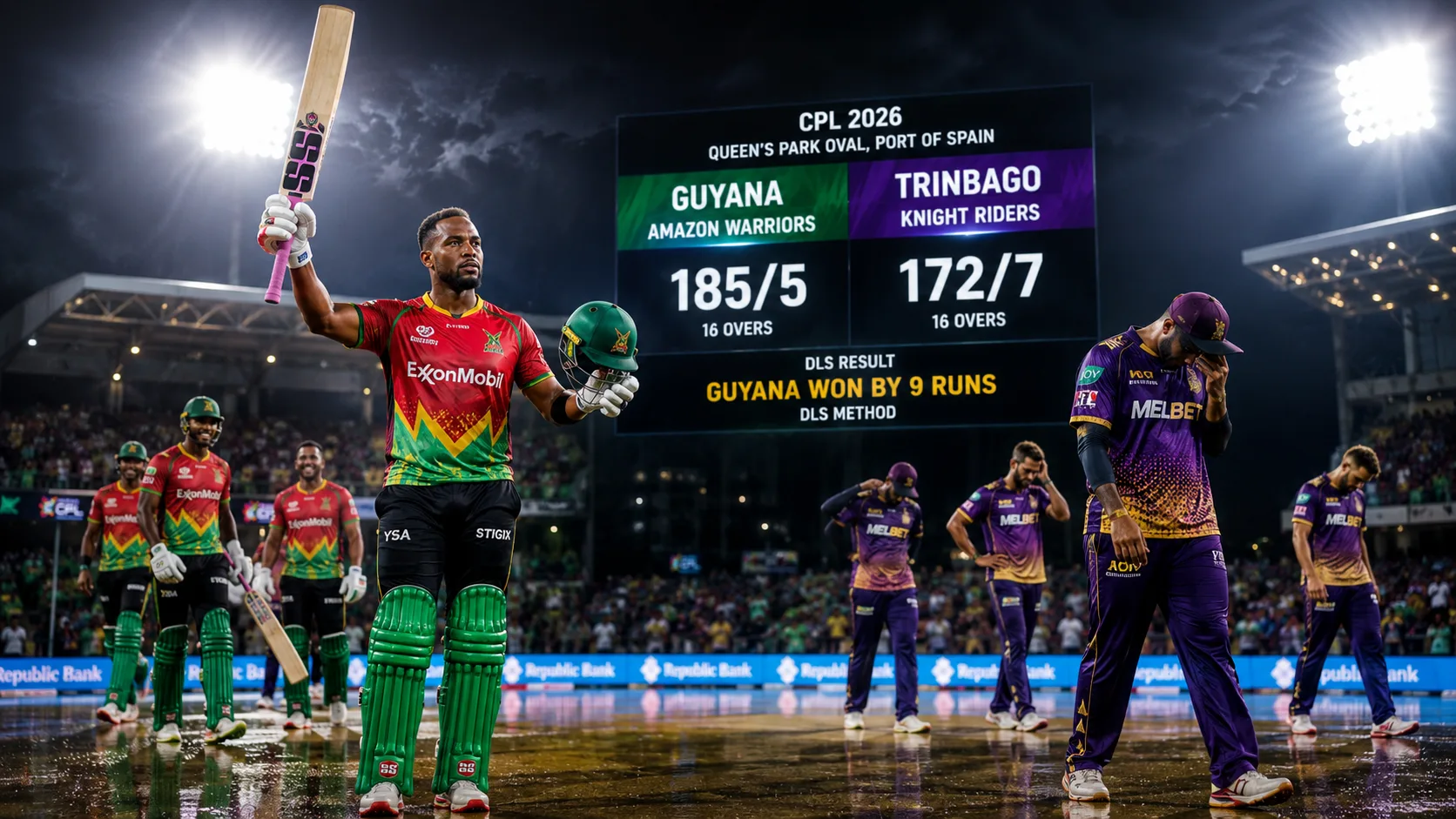
Trinbago Knight Riders v Guyana Amazon Warriors: Hetmyer Stuns TKR
Trinbago Knight Riders v Guyana Amazon Warriors saw Shimron Hetmyer smash 111 as Guyana won by nine runs via DLS in a rain-hit CPL thriller. Lord Brahma in 2026: Why the Creator God Still Matters Trinbago Knight Riders v Guyana Amazon Warriors delivers a night to remember The latest trinbago knight riders v guyana amazon…
India vs Sri Lanka: Padikkal Ton Puts India in Control
India vs Sri Lanka latest update: Devdutt Padikkal’s century helps India reach 300/5 in Colombo as the second Test takes a dramatic turn. Lord Brahma in 2026: Why the Creator God Still Matters India vs Sri Lanka: Latest News and Match Update The India vs Sri Lanka Test series has taken another dramatic turn in…










Join Us on Social Media!
Stay updated with the latest from EasyBuzz. Connect with us: