

Kaal Bhairav Temple Varanasi: The Fearless Guardian of Kashi – Complete Visitor Guide
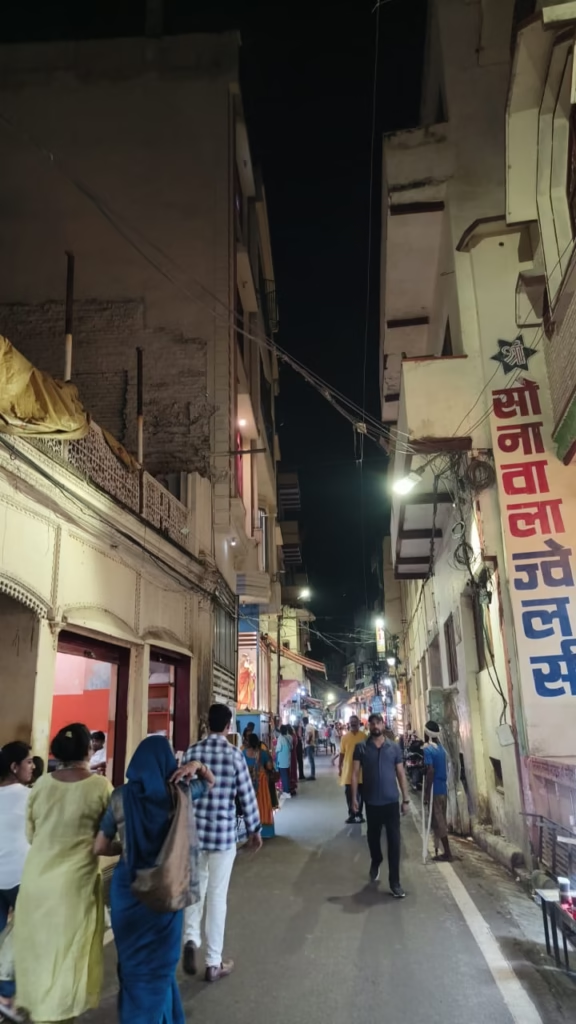
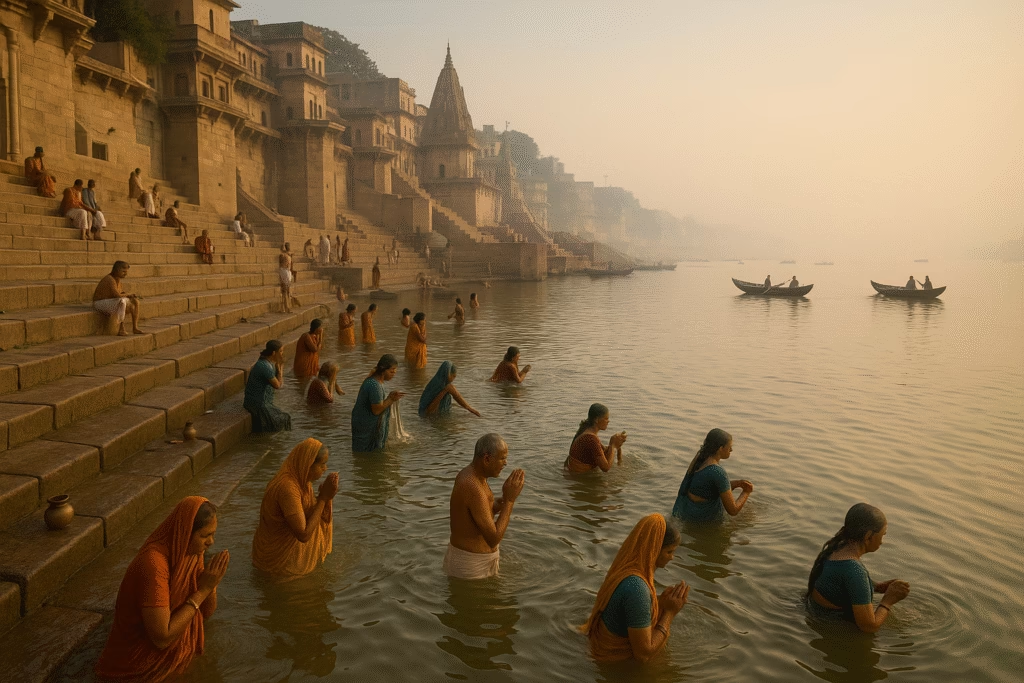
Evening devotional ambience on the ghats – the spirit of Kashi envelops every temple visit Why Kaal Bhairav Matters in Varanasi Kaal Bhairav embodies time (Kaal) and fearlessness. In Varanasi’s sacred tapestry, he safeguards dharma, removes obstacles, and punishes adharma. Devotees traditionally seek his permission and protection before undertaking spiritual practices, yatras, or important endeavors in Kashi. Spiritual Significance Guardian deity of Kashi; protector of pilgrims and the city Bestower of fearlessness, discipline, and resolve Venerated by Shaiva, Tantrik, and household devotees alike Often visited before other Kashi temples in certain traditions Who Should Visit Seekers desiring protection from negativity Entrepreneurs and professionals seeking decisiveness Spiritual practitioners commencing sadhana Anyone beginning a significant life chapter Temple Overview The Kaal Bhairav Temple sits within Varanasi’s old-city lanes (near Visheshwarganj/Chauk). The sanctum traditionally houses a silver mask (mukha) of Kaal Bhairav adorned with symbolic skull motifs, representing the destruction of ego and ignorance. Note: Photography may be restricted near the sanctum. Follow on-site guidance and travel light through the narrow lanes. Legend & Mythology Shaiva lore says when Brahma’s ego swelled, Shiva manifested as Bhairava to restore cosmic order. In Kashi, Kaal Bhairav is the cosmic sentinel. Those who receive his grace are believed to transcend fear of death and time—aligning with Kashi’s promise of moksha. Darshan Timings & Rituals General Timings (typical) Early Morning Aarti: approx. 4:30–5:30 AM Darshan: early morning to late night (midday breaks possible) Evening Aarti: around sunset Timings vary on festivals and special days. Early morning/evening is typically calmer. Offerings (Bhog & Puja) Mustard oil, black til (sesame), black cloth Garlands, flowers (especially red), incense Coconut and sweets (as prasad) Local priests can guide a simple sankalp and puja. Maintain decorum and follow queues. Best Time to Visit Season: November–March for pleasant weather Time of day: Early morning or late evening for serene darshan Occasions: Ashtami, Mahashivratri, Navratri, Mondays (expect larger crowds) How to Reach By Air: Lal Bahadur Shastri International Airport (VNS); ~50–70 minutes to old city (traffic dependent) By Train: Varanasi Junction (BSB) / Varanasi City; take auto/cycle rickshaw to nearby chowks, then walk By Road: Cabs/auto-rickshaws to Visheshwarganj/Chauk; proceed on foot through lanes Local Tip: Wear easy-to-remove footwear; carry small change for offerings; avoid peak midday heat in summer. Golden spires symbolic of Kashi’s devotion to Lord Shiva and his manifestations What to Expect During Your Visit Vibrant lanes: Incense, bells, mantras—an immersive sacred ambiance Queues: Be patient and follow instructions from staff/priests Offerings: Buy from nearby stalls; confirm prices in advance Prasad: Receive respectfully and share with care Do’s and Don’ts Do’s Dress modestly (shoulders/knees covered) Keep valuables minimal; phones on silent Respect queues and priestly directions Purchase offerings from reputed vendors Don’ts Don’t push or skip lines Don’t photograph where prohibited Don’t litter; use bins provided Don’t entertain touts promising shortcuts Nearby Places to Visit Kashi Vishwanath Temple & Corridor: Spiritual heart of Varanasi Dashashwamedh Ghat: Evening Ganga Aarti spectacle Manikarnika Ghat: Sacred cremation ghat symbolizing moksha Assi Ghat: Subah-e-Banaras morning aarti and yoga Sankat Mochan Temple: Beloved shrine of Lord Hanuman Sarnath (10–12 km): Buddhist heritage—Dhamek Stupa, museum, viharas Festivals & Special Days On Ashtami, Mahashivratri, Navratri, and sacred Mondays, crowds swell and the temple ambiance becomes especially charged. Arrive early and plan extra time for darshan. Morning light on the ghats – pair temple darshan with a serene riverside stroll Suggested Short Itinerary (Half Day) Sunrise boat ride on the Ganges Darshan at Kaal Bhairav Temple (early morning slot) Walk through Vishwanath Gali for prasad, chai, and temple shopping Visit Kashi Vishwanath Temple (respect entry norms) Breakfast at a reputed local eatery (try Banarasi lassi/puri-sabzi) Accessibility: Old-city lanes are narrow/uneven; wheelchair access is challenging. Seek assistance and plan extra time for seniors/differently-abled devotees. Frequently Asked Questions (FAQs) Is non-Hindu entry allowed? Darshan is generally open to respectful visitors, but some inner areas in certain Varanasi shrines can have restrictions. Follow on-site instructions. What should I offer? Traditional offerings include mustard oil, black til, black cloth, flowers, incense, coconuts, and sweets. Keep it simple and purchase from reputed stalls. How crowded is it? Mornings/evenings are popular; festivals draw heavy footfall. Arrive early, travel light, and keep essentials handy. Is photography allowed? Usually not near the sanctum. Obey signage and priest guidance. Be mindful and respectful when photographing outside. Practical Tips for a Smooth Visit Carry a small cloth bag for footwear/offerings Stay hydrated; summers can be intense Use UPI/cash for small transactions; keep change Lower your voice within temple premises Club darshan with nearby shrines/ghats to optimize time Conclusion: Invoke Courage, Embrace Grace The Kaal Bhairav Temple is more than a historic shrine; it is an encounter with fearlessness and inner strength. For devotees and travelers alike, darshan here completes the Kashi experience—invoking protection, discipline, and the courage to walk the path of dharma. AI-related Disclaimer: This article and the images are AI-generated for informational purposes. Temple timings, entry rules, and on-ground conditions can change. Verify specifics with local authorities or the temple office before your visit.







Join Us on Social Media!
Stay updated with the latest from EasyBuzz. Connect with us: