


New Pension Rules 2025-26: What Government Employees & Pensioners Must Know
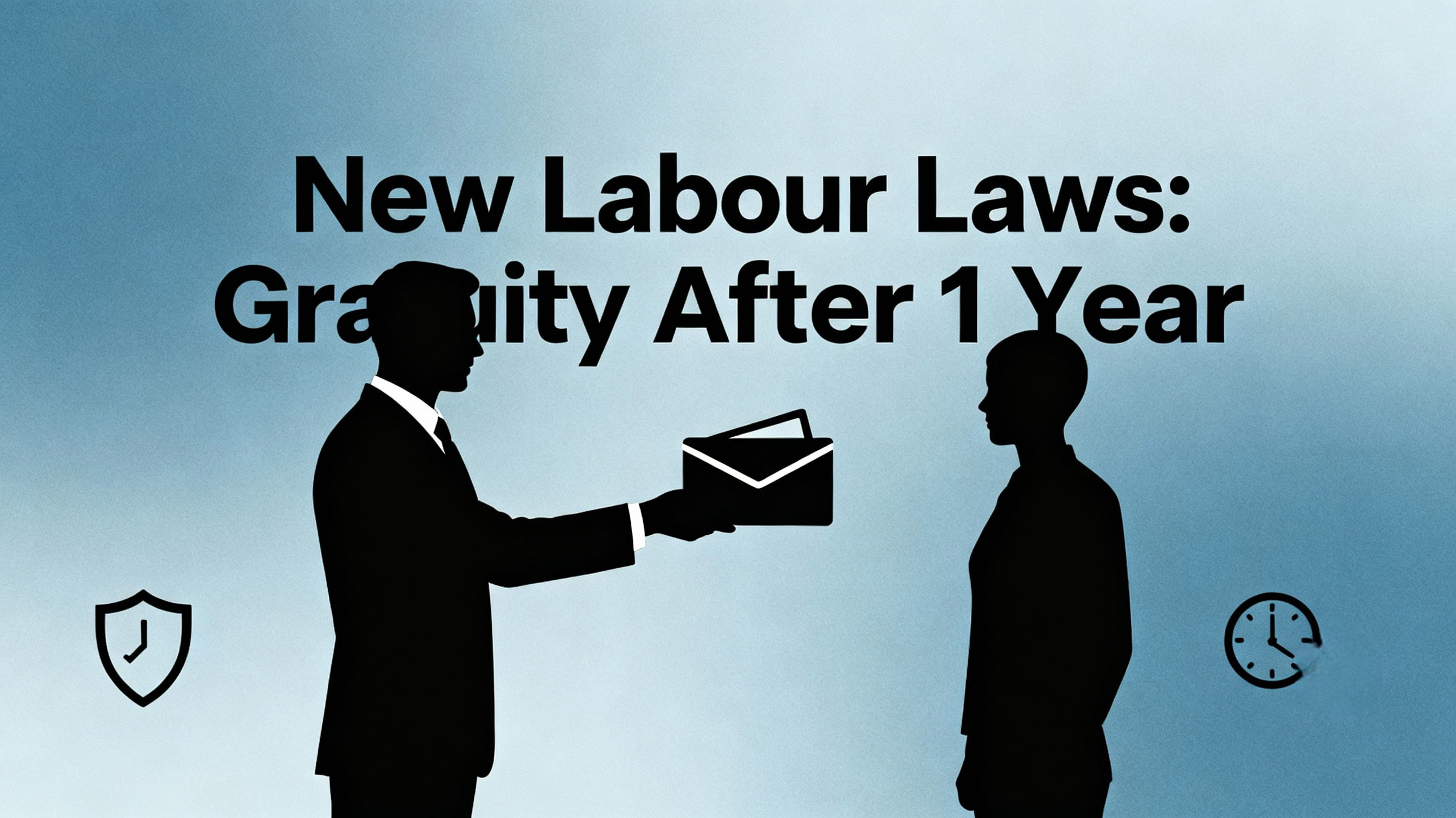
Explore the new pension rules for 2025-26: unified pension scheme, retirement age changes, assured payouts and digital reforms. A must-read guide for employees and retirees. The New Pension Rules introduced in India for 2025-26 bring several major reforms impacting central government employees, retirees and pensioners. From the introduction of the Unified Pension Scheme (UPS) to clarified rules on last working day calculation and digital rollout of pension documentation, these updates are far-reaching. Whether you’re an employee nearing superannuation, a retiree already drawing pension, or a family member of a pensioner, understanding these changes is critical. This article covers the background, key changes, practical implications, and what you should do now. AlsoRead: Wobble One Smartphone Launch 2025 — Specs, Price, Made-in-India Flagship Entry Background Context Historically, pension rules for central government servants in India have been fragmented — with different service categories, contribution norms and benefit structures. The government’s move to streamline and modernise pension administration comes amid rising life expectancy, growing retiree numbers and increased fiscal pressure. In response, the introduction of UPS and updated pension rules aim to provide clarity, uniformity and digital efficiency in retirement benefits. Key Changes & What They Mean 1. Unified Pension Scheme (UPS) Central government employees covered under the National Pension System (NPS) now have the option (or automatic inclusion, depending on date of joining) of the Unified Pension Scheme. The UPS features: 2. Last Working Day & Rule Applicability The CCS (Pension) Rules, 2021 and official clarifications state that pension and family pension claims will be governed by the rules in force on the employee’s last working day or date of death, even if the employee was on leave or suspension immediately before. This clarity closes long-standing ambiguity for employees about which rule-set will apply at their retirement date. 3. Voluntary Retirement & Service Periods Under the new framework, central government employees under UPS may opt for voluntary retirement after 20 years of service, but the full assured pension payout would only apply if they complete the full qualifying service (typically 25 years) or meet other conditions. This emphasises the importance of service length for optimal pension benefits. 4. Digital & Documentation Reforms Pension administration is also seeing digital reforms: e-Pension Payment Orders (PPOs), gratuity orders and related documents will increasingly be issued electronically and in some states integrated with platforms like DigiLocker. These reforms aim to reduce delays, boost transparency and simplify access for pensioners. 5. Wider Welfare-Pension Reforms For non-employee pension schemes (senior citizens, widows, disabled persons), newer rules are being explored to raise pension amounts, broaden eligibility and streamline digital applications. While specifics vary by state and scheme, the thrust is toward improving access, reducing paperwork and aligning benefits with inflation. Practical Implications for You What to Watch Next Disclaimer: This article is for informational purposes only and is based on publicly available government updates, news reports, and policy summaries as of the latest published date. Pension rules, eligibility criteria, contribution norms, and official procedures may change through subsequent government notifications or circulars. Readers should verify details with official departments such as the Department of Pension & Pensioners’ Welfare (DoPPW), PFRDA, or their employer’s HR/finance division before making any financial or retirement-related decisions. This content does not constitute legal, financial, or professional advice.







Join Us on Social Media!
Stay updated with the latest from EasyBuzz. Connect with us: