
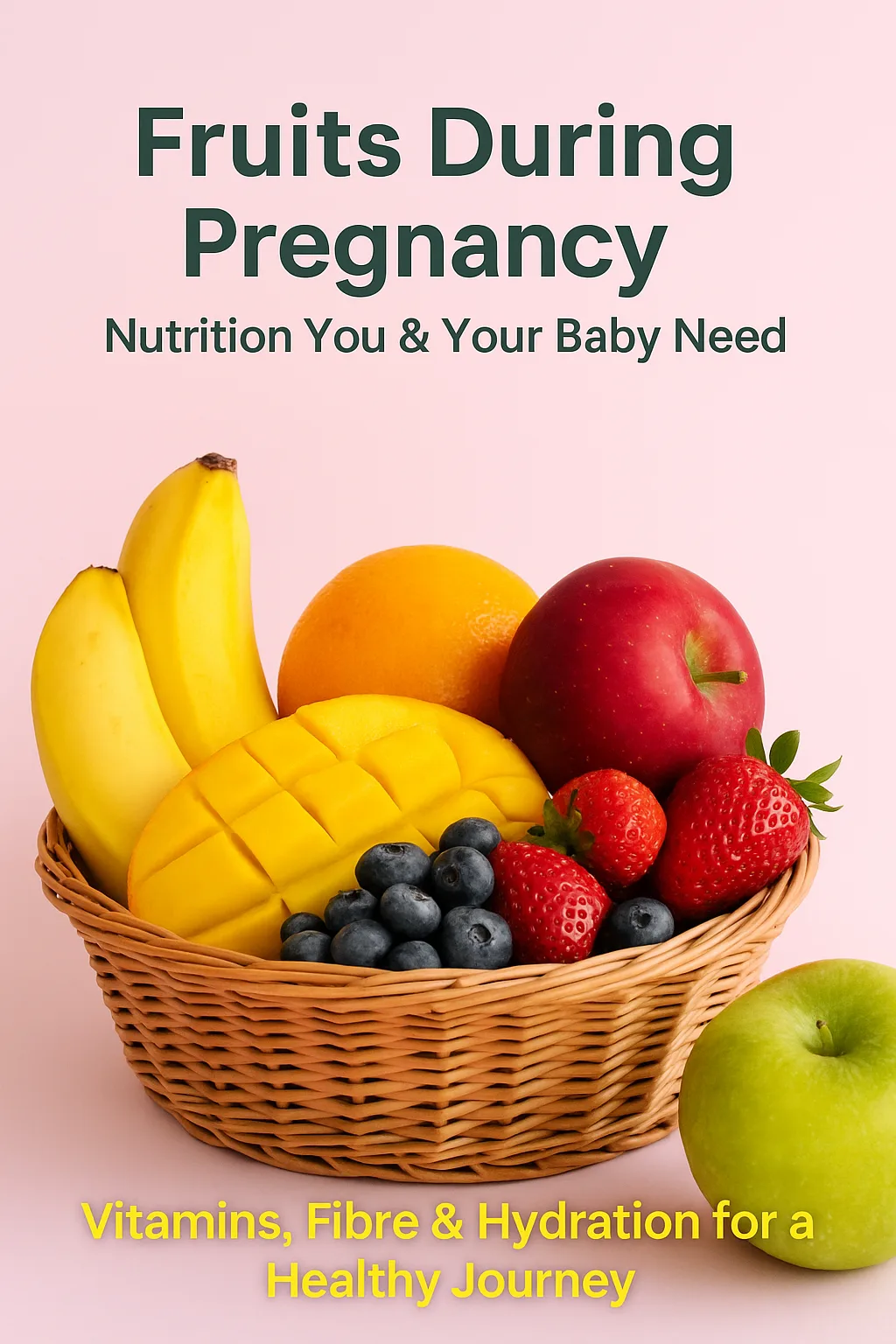
Discover the best fruits during pregnancy — from bananas and berries to oranges, mangoes and avocados — packed with fibre, vitamins and folate. Learn how they support digestion, immunity and fetal development.
Why Fruits Are Important During Pregnancy
A healthy pregnancy diet requires a balance of nutrients — vitamins, minerals, fibre and hydration. Fruits are natural powerhouses that deliver many of these essentials without excessive processed sugars. They support digestion, immunity, hydration, and crucial fetal growth.
Medical and nutritional experts recommend including a variety of fresh fruits to meet increased demands for folate, vitamin C, potassium and fibre during pregnancy.
Also Read: FIFA World Cup 2026 Draw Surprise: What Fans Must Know After Latest Round
🍌 Best Fruits to Eat During Pregnancy
Here are some of the most recommended fruits for expectant mothers — and why they stand out:
- Bananas – Great source of potassium, which helps regulate blood pressure and manage leg cramps; gentle on the stomach and helpful if nausea is an issue. fruitsmith.com
- Oranges & Citrus Fruits (oranges, mandarins, grapefruit) – High in vitamin C and folate, important for immune support and neural-tube development in the fetus. Also help with hydration and iron absorption.
- Apples – Provide fibre and vitamin C, aiding digestion and offering antioxidants. A good everyday fruit to include. fruitsmith.com
- Berries (strawberries, blueberries, raspberries, etc.) – Rich in antioxidants, vitamin C, and fibre; helpful for digestion, immunity, and general health. Medical News Today
- Mangoes – Provide vitamins A and C, folate and fibre. A nutrient-rich tropical fruit that supports overall health when eaten in moderation. fruitsmith.com
- Apricots / Pomegranates / Pears / Guava – These fruits offer a mix of vitamins, minerals, fibre and antioxidants; they support bone development, fetal growth, digestion and maternal health.
- Avocado – Rich in healthy fats, vitamins and folate — supports fetal brain development and maternal nutrient needs.
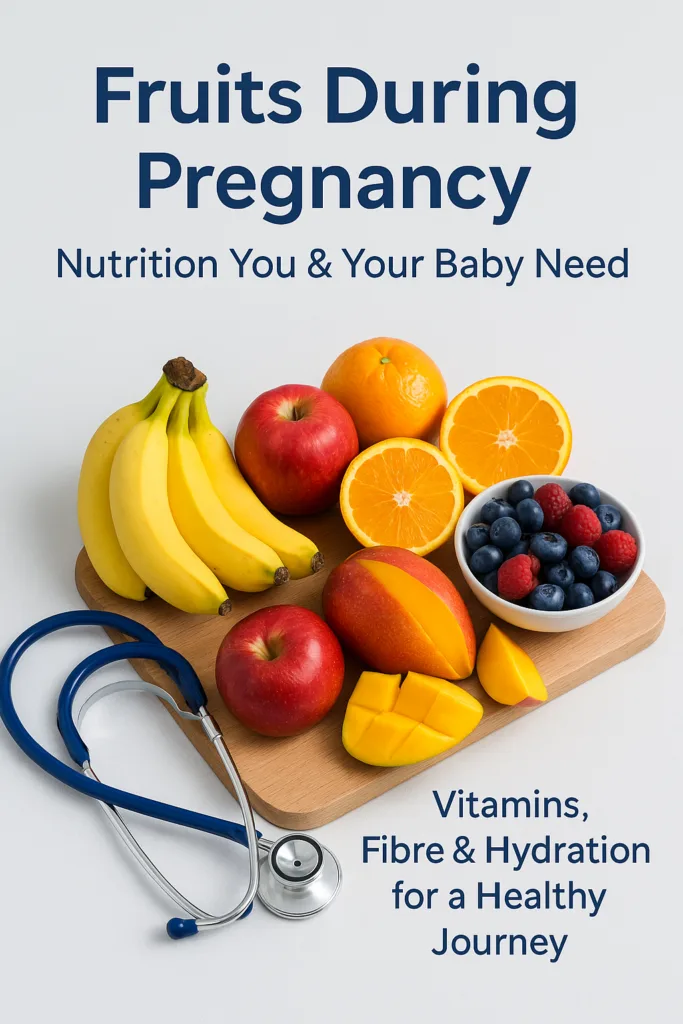
✅ How Fruits Help — Pregnancy Benefits
| Benefit | How Fruits Help |
|---|---|
| Fetal growth & development | Folate, vitamins (A, C), minerals in fruits support neural and tissue development. |
| Digestion & constipation relief | High fibre content (in apples, bananas, berries) helps maintain regular bowel movements. Healthline |
| Immune & overall health | Vitamin C & antioxidants from citrus, berries, mangoes help strengthen immunity. |
| Hydration & energy | Fruits like oranges, melons offer water and natural sugars — good for energy and hydration. |
| Blood pressure & muscle cramps | Potassium-rich fruits (banana, avocado) help regulate salt balance and reduce cramps. |
⚠️ What to Watch Out For & Safe Eating Tips
- Prefer whole fruits over sugary juices or processed fruit products — whole fruits keep fibre and reduce spikes in sugar.
- Wash fruits thoroughly — to remove any pesticide residues or contaminants which pregnant women may be more vulnerable to. Family Health Centers of San Diego
- Moderate consumption of high-sugar fruits (like mango) especially if you have gestational diabetes — balance is key.
- Avoid unripe fruits (e.g. unripe papaya) during pregnancy due to possible risks; choose fully ripe, clean produce.
- Diversify — no single fruit will provide all nutrients; mix different fruits across the week for balance.
🥗 Sample Daily Fruit Plan During Pregnancy
- Morning: 1 banana + handful of berries
- Mid-morning snack: 1 orange or a few slices of mango (ripe)
- Lunch-time: 1 apple or pear
- Evening snack: a small bowl of mixed fruits (guava, apricot, pomegranate)
- Hydration: fruit-infused water (slice of lemon, orange) or fresh fruit-water
This mix ensures vitamin C, fibre, folate, potassium and antioxidants — all beneficial for you and baby — while keeping sugar intake balanced.
Disclaimer
This article provides general nutritional information based on publicly available health resources and expert guidelines. It is not intended to replace medical advice, diagnosis, or treatment. Every pregnancy is unique, and dietary needs can vary depending on individual health conditions, allergies, or medical history. Always consult a qualified healthcare professional, obstetrician, or registered dietitian before making changes to your pregnancy diet. The author and publisher are not responsible for any health decisions, outcomes, or actions taken based on the information provided in this article.













Join Us on Social Media!
Stay updated with the latest from EasyBuzz. Connect with us: