
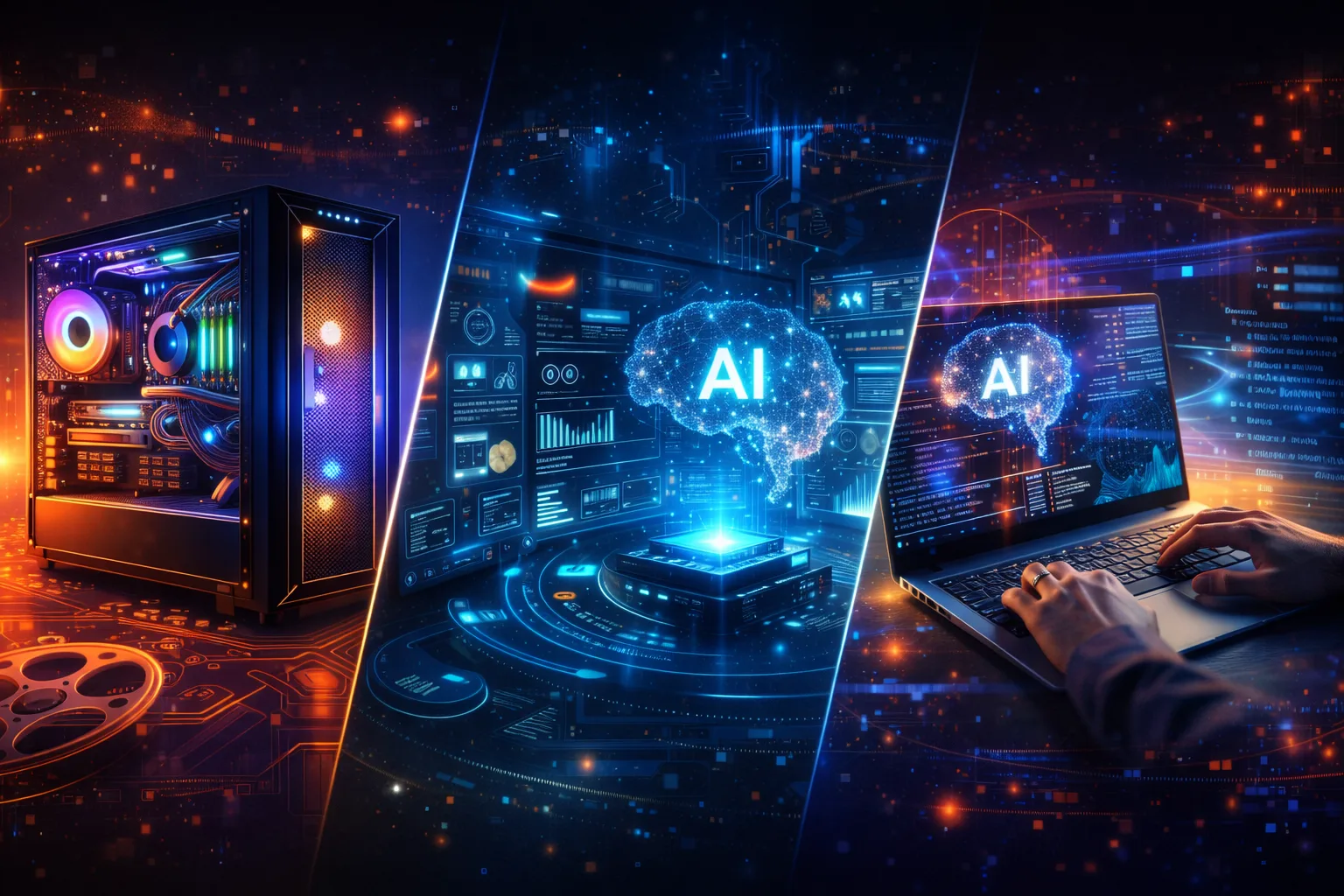
Explore the latest Computer innovations in 2026 including AI PCs, new processors, semiconductor breakthroughs, and the future of personal computing technology.
Movie Theater: The Future of Cinemas, Technology, and Global Box Office Trends in 2026
Computer: How AI and Next-Generation Chips Are Reshaping Personal Computing
The computer industry is entering a transformative phase in 2026, driven largely by artificial intelligence, new chip architectures, and evolving consumer demand. From AI-powered personal computers to advanced semiconductor technologies, modern computing devices are becoming faster, smarter, and more efficient.
At major technology events such as CES 2026, companies introduced new processors designed specifically for AI workloads, marking the arrival of the “AI PC” era. These machines integrate neural processing units (NPUs) and advanced chips to run AI applications directly on the device.
Computer
A computer is an electronic device capable of processing data, performing calculations, and executing instructions through software programs.
The evolution of computers can be divided into several major stages:
- Early Mechanical Computers (1800s)
Devices like Charles Babbage’s Analytical Engine laid the groundwork for programmable machines. - Mainframe Computers (1940s–1960s)
Large systems used by governments and corporations. - Personal Computers (1970s–1990s)
Companies like Apple, IBM, and Microsoft popularized computers for home and office use. - Mobile and Cloud Computing (2000s–2020s)
Laptops, smartphones, and cloud platforms transformed how people interact with computers. - AI-Driven Computers (2025 onward)
Modern systems incorporate AI accelerators, machine learning, and intelligent automation.
Today’s computers are powerful platforms capable of handling advanced tasks such as real-time AI processing, gaming, scientific simulation, and creative content production.
Latest News in Computer Technology
AI PCs Become the Next Major Computing Platform
The biggest trend in computing is the rise of AI PCs—computers designed with specialized processors capable of running AI tasks locally rather than relying on cloud services.
These devices integrate NPUs that accelerate AI features such as real-time translation, intelligent search, and automated content creation.
Industry analysts believe AI PCs will become the standard personal computing platform within the next few years.
New Generation of Computer Processors
Chip manufacturers unveiled powerful processors in 2026 to support AI workloads.
Intel introduced the Core Ultra Series 3 processors, built on its advanced 18A manufacturing process, marking a major leap in efficiency and performance.
Meanwhile, AMD launched the Ryzen AI 400 series, offering improved AI acceleration and up to 30% faster multithreaded performance for professional computing workloads.
Nvidia Enters the AI Laptop Chip Market
Another major development is Nvidia’s return to the consumer PC processor market with AI-focused laptop chips designed for next-generation Windows computers.
These chips aim to combine powerful graphics processing with AI acceleration for gaming, productivity, and content creation.
Semiconductor Demand Surging
Demand for advanced processors and GPUs is skyrocketing as artificial intelligence expands across industries. Data centers and technology companies are rapidly increasing chip production to meet the demand for AI computing power.
The semiconductor sector remains one of the fastest-growing areas of the global technology industry.
Key Components of a Modern Computer
Modern computers consist of several essential hardware components:
Central Processing Unit (CPU)
The CPU performs the core processing tasks and executes program instructions.
Graphics Processing Unit (GPU)
Originally designed for graphics rendering, GPUs are now widely used for AI workloads and scientific computing.
Neural Processing Unit (NPU)
NPUs accelerate AI operations directly on the device, enabling faster and more efficient machine learning tasks.
Memory (RAM)
RAM stores temporary data required for active programs and tasks.
Storage Devices
Solid-state drives (SSDs) provide high-speed storage for operating systems, applications, and files.
Types of Computers
Computers today come in several different forms:
Desktop Computers
High-performance systems used for professional work, gaming, and engineering.
Laptop Computers
Portable computers designed for mobility and everyday productivity.
Tablets and 2-in-1 Devices
Hybrid systems combining touchscreen functionality with laptop performance.
Supercomputers
Massive computing systems used for scientific research, climate modeling, and AI development.
Quantum Computers
Experimental systems that use quantum mechanics to solve extremely complex problems.
How Artificial Intelligence Is Changing Computers
AI is transforming how computers operate and interact with users.
Key AI-powered capabilities include:
- intelligent voice assistants
- automated document summarization
- AI-generated images and videos
- real-time language translation
- predictive system optimization
AI systems are increasingly becoming collaborative digital assistants, helping users complete tasks faster and more efficiently.
Future Trends in Computer Technology
1. AI-Native Operating Systems
Future operating systems will integrate AI deeply into everyday workflows.
2. Quantum Computing Breakthroughs
Quantum computers may revolutionize fields such as cryptography, pharmaceuticals, and materials science.
3. Edge Computing Expansion
More computing tasks will run locally on devices rather than in centralized data centers.
4. Sustainable Computing Hardware
Manufacturers are developing energy-efficient processors and environmentally sustainable computing infrastructure.
Disclaimer: This article is intended for informational and educational purposes only. The information presented about computers, computing technologies, hardware components, software innovations, and industry developments is based on publicly available sources and general technology insights available at the time of writing. Computer specifications, processor technologies, AI capabilities, and product availability may change as manufacturers continue to update and improve their hardware and software systems. Readers are encouraged to verify the latest information through official manufacturer websites, technology companies, or reputable industry publications before making purchasing or technical decisions. All trademarks, brand names, product models, software platforms, and related images mentioned belong to their respective owners.
Computer: The AI-Powered Revolution Transforming Modern Computing in 2026

Explore the latest Computer innovations in 2026 including AI PCs, new processors, semiconductor breakthroughs, and the future of personal computing technology. Movie Theater: The Future of Cinemas, Technology, and Global Box Office Trends in 2026 Computer: How AI and Next-Generation Chips Are Reshaping Personal Computing The computer industry is entering a transformative phase in 2026,…
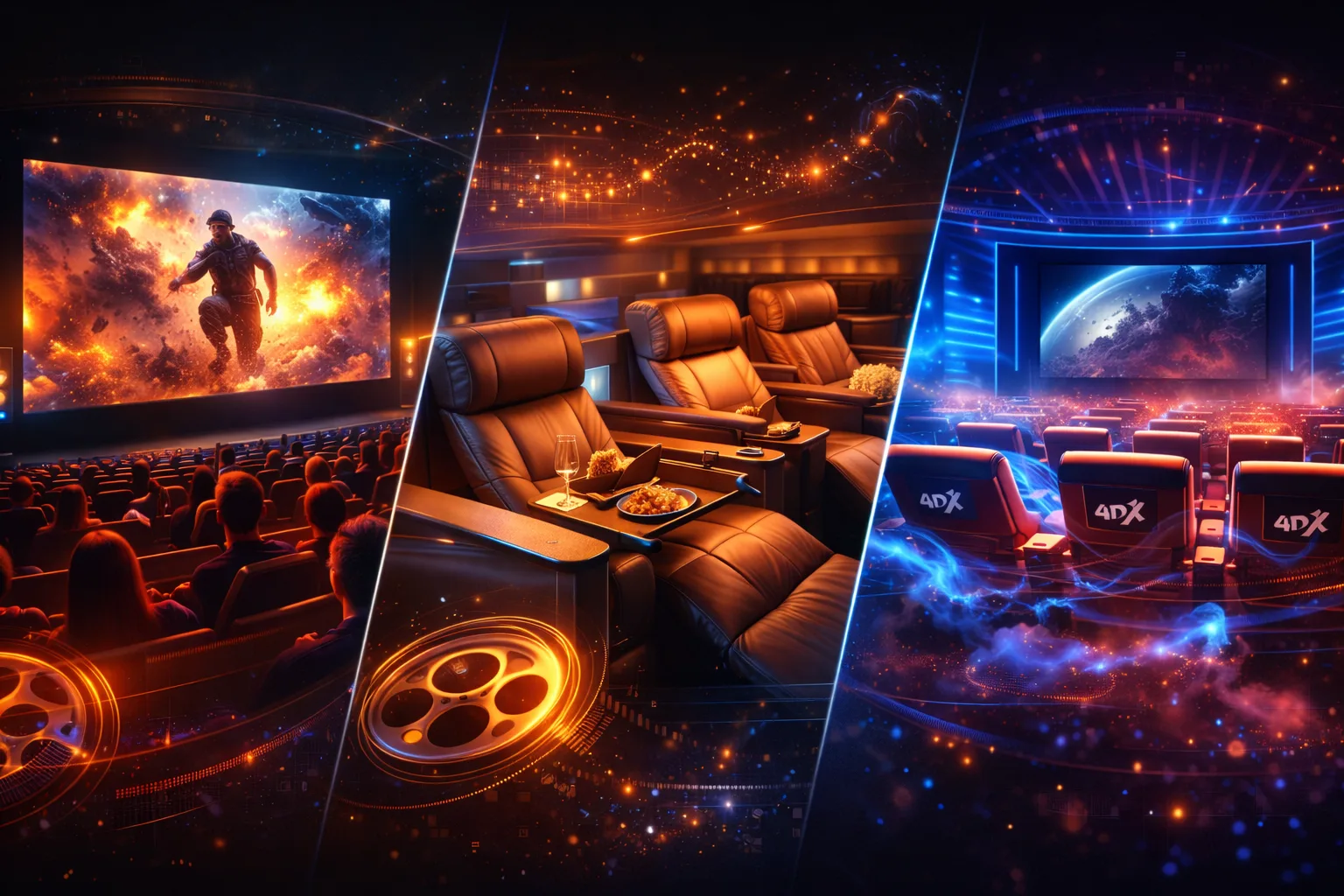
Movie Theater: The Future of Cinemas, Technology, and Global Box Office Trends in 2026
Explore the latest developments in the movie theater industry in 2026, including cinema technology, box-office recovery, luxury theaters, and the future of theatrical movie releases. DTS: The Immersive Audio Technology Transforming Entertainment and Connected Cars in 2026 Movie Theater: How Cinemas Are Reinventing the Big-Screen Experience The movie theater industry is undergoing a major transformation…
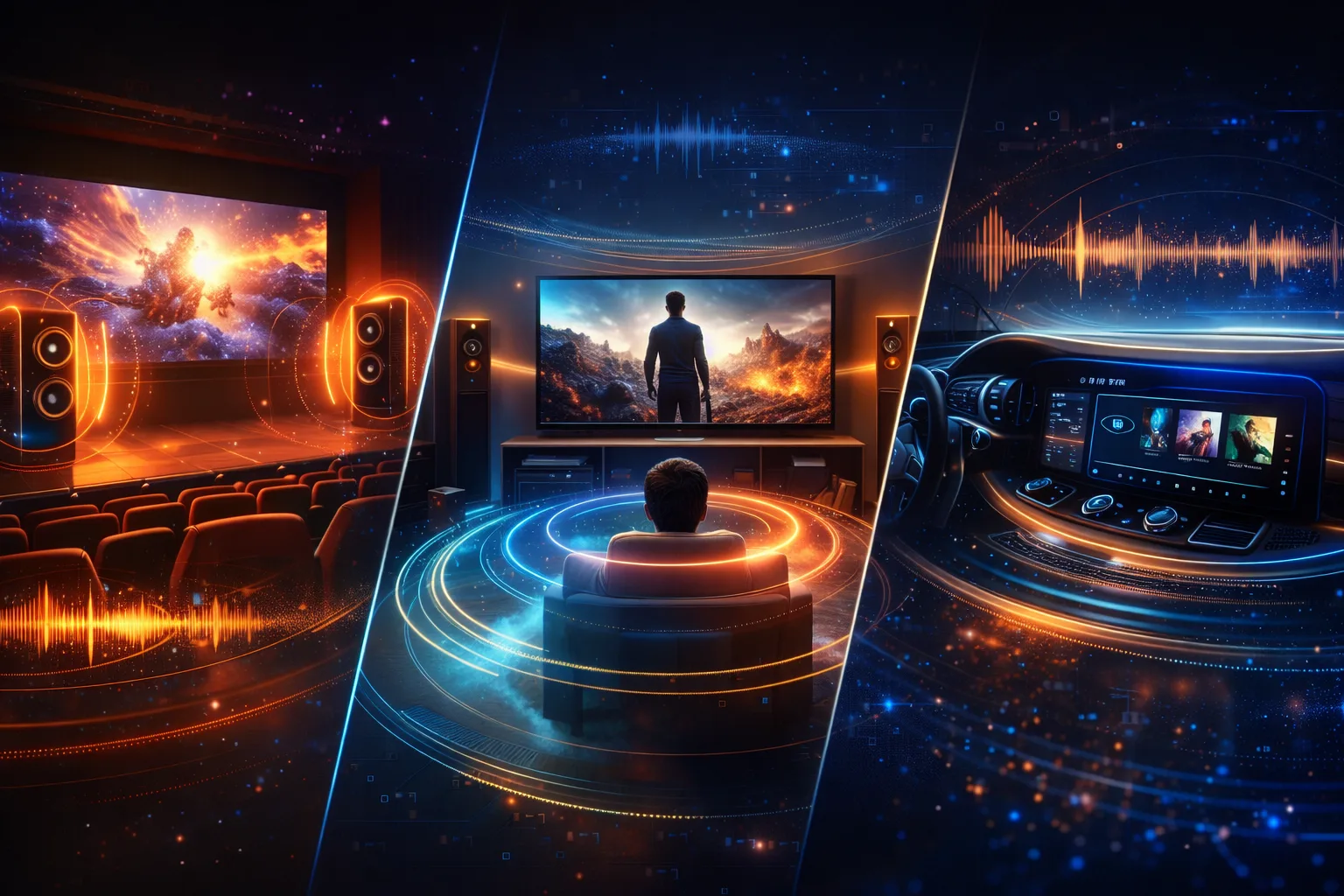
DTS: The Immersive Audio Technology Transforming Entertainment and Connected Cars in 2026
Explore the latest developments in DTS technology in 2026, including DTS:X immersive audio, connected-car entertainment systems, and innovations shaping the future of sound. Train: The Future of Rail Transport and High-Speed Railway Innovation in 2026 DTS: How Immersive Audio Technology Is Redefining Entertainment The DTS audio ecosystem continues to play a major role in modern…



Join Us on Social Media!
Stay updated with the latest from EasyBuzz. Connect with us: