

Field Hockey enters a defining 2026 season with World Cup rivalries, league expansion, and rising global competition reshaping the sport.

Srisailam Sees Spiritual Surge Amid Infrastructure Push
Field Hockey
Field Hockey is entering one of its most commercially important and globally competitive phases in years. With the 2026 FIH Hockey World Cup approaching in Belgium and the Netherlands, the sport is witnessing a sharp rise in international attention, fueled by historic rivalries, expanding professional leagues, and a growing push toward global fan engagement.
The latest developments around the men’s and women’s World Cup pools have reignited excitement across traditional hockey nations. India and Pakistan being drawn into the same group for the men’s tournament has immediately become one of the most talked-about stories in international hockey. The fixture carries historical weight far beyond rankings and tournament points. Their upcoming clash is expected to draw one of the largest global audiences in modern Field Hockey history.
At the same time, the women’s tournament is quietly shaping up to be equally competitive. India’s women’s team faces a challenging group alongside England, China, and South Africa, reflecting the growing balance in women’s international hockey. Analysts believe the narrowing performance gap between Asian and European teams could make the 2026 edition one of the most unpredictable tournaments the sport has seen in decades.
The broader transformation of Field Hockey is also being driven by structural changes off the pitch. Hockey India recently opened registrations for the Hero Hockey India League 2027, signaling the continued revival of franchise-based hockey in Asia. The league’s previous season reportedly attracted more than 1,000 player registrations from around the world, showing that professional opportunities in hockey are becoming increasingly globalized.
This matters because modern Field Hockey has long struggled with visibility outside major tournaments. Cricket, football, basketball, and tennis dominate year-round media cycles, while hockey traditionally peaks only during Olympic events or World Cups. Leagues like the Hockey India League are attempting to change that equation by creating sustainable commercial ecosystems that keep players, sponsors, and broadcasters invested throughout the calendar year.
Another major development is the geographic spread of competitive hockey nations. Historically, Field Hockey powerhouses were concentrated in a few regions including South Asia, Western Europe, and Australia. Today, the qualification process for the 2026 World Cup shows broader participation from Africa, South America, and emerging Asian programs. Qualification tournaments hosted in India, Egypt, and Chile demonstrated the federation’s effort to decentralize the sport and build new audiences globally.
The International Hockey Federation is also betting heavily on co-hosted mega-events. Belgium and the Netherlands will jointly host both the men’s and women’s 2026 World Cups, marking another attempt to modernize the tournament experience and increase attendance, tourism, and international media value. The dual-host model has already proven successful in football and cricket, and hockey administrators hope it can elevate Field Hockey into a more commercially sustainable global product.
Tactically, the sport itself continues evolving at high speed. Modern Field Hockey is faster, more data-driven, and physically demanding than ever before. Teams now rely heavily on analytics for penalty corner conversion rates, defensive transition efficiency, pressing structures, and player workload management. The introduction of advanced turf technologies and sports science programs has transformed how elite teams prepare for international competition.
India’s recent resurgence in global hockey has further accelerated interest in the sport. Olympic success, increased domestic investment, and a stronger youth pipeline have restored India as one of the game’s commercial anchors. The India-Pakistan rivalry alone has the potential to generate mainstream sports attention far beyond traditional hockey audiences during the 2026 World Cup.
Meanwhile, European nations such as Belgium, the Netherlands, and Germany continue setting the benchmark for tactical sophistication and developmental infrastructure. Australia remains one of the sport’s most physically dominant teams, while Argentina continues to strengthen its presence in both men’s and women’s hockey. The result is a competitive landscape with far fewer predictable outcomes than previous eras.
The next 18 months could determine whether Field Hockey finally breaks into a more consistent global sports conversation or remains primarily event-driven. The ingredients for expansion are now clearly visible: historic rivalries, professional league growth, digital broadcasting, stronger women’s participation, and increasingly balanced international competition.
For a sport that has often operated outside mainstream sports economics, 2026 may become the turning point where Field Hockey evolves from a legacy Olympic discipline into a year-round global entertainment property.
Disclaimer: This article is based on publicly available reports, tournament announcements, league developments, and ongoing discussions within the global Field Hockey community as of 2026. Match schedules, team selections, rankings, commercial partnerships, and tournament structures may change based on official updates from governing bodies including the International Hockey Federation (FIH), national federations, and tournament organizers. The feature image is a conceptual editorial illustration created for visual storytelling purposes and does not represent official tournament branding or licensed event imagery.
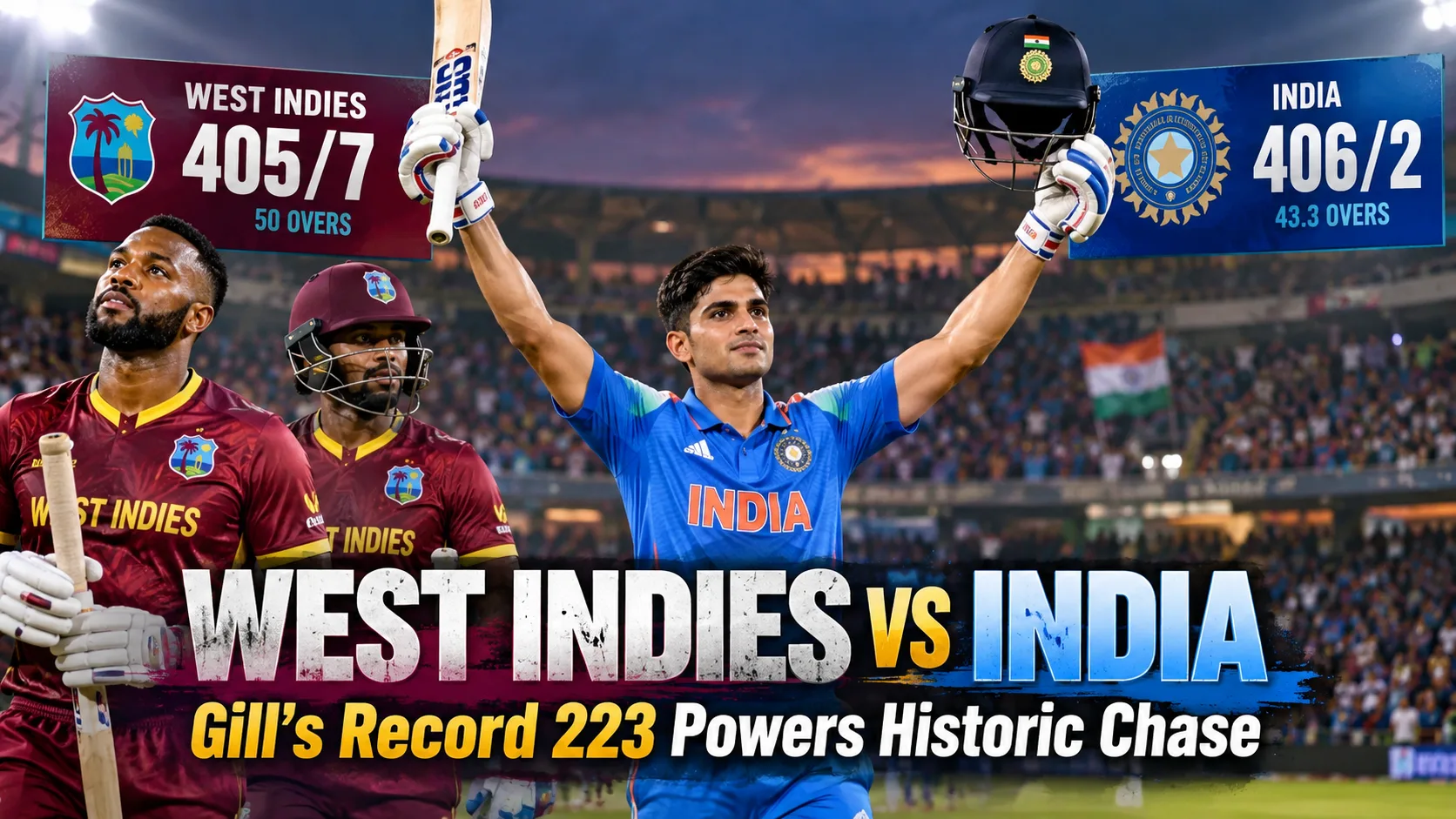
West Indies vs India: Gill Powers Historic ODI Chase

West Indies vs India saw Shubman Gill smash 223 as India chased 406 to win the second ODI by eight wickets and seal the series 2-0 in Guwahati. Caribbean Premier League 2026: Falcons Make History West Indies vs India: Gill Leads Historic Run Chase The West Indies vs India ODI series took another dramatic turn…
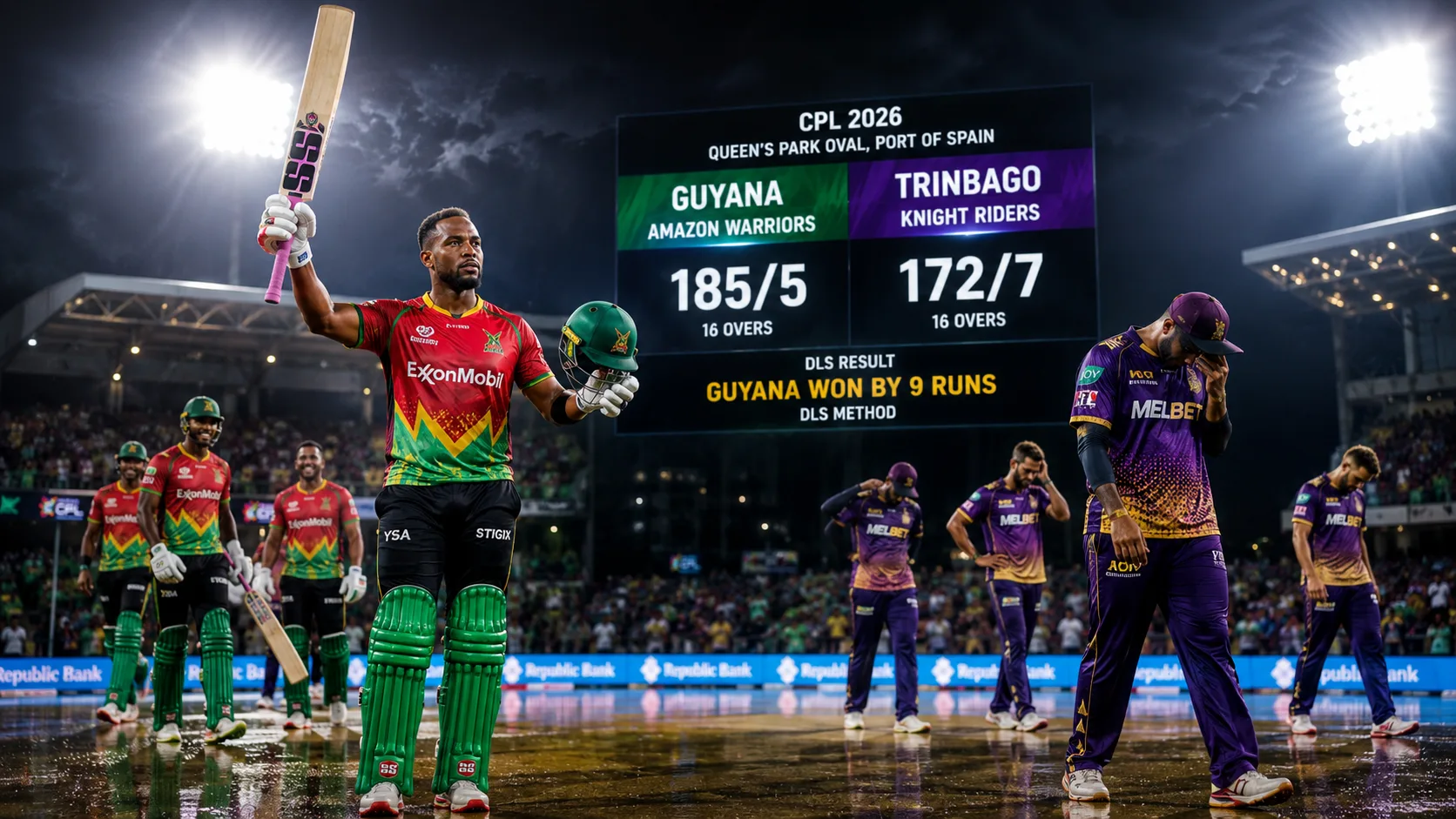
Caribbean Premier League 2026: Falcons Make History
Caribbean Premier League 2026 ends with Antigua & Barbuda Falcons winning their maiden title after beating Jamaica Kingsmen by eight wickets in Barbados. Japan vs India T20I: Historic Clash Set for Sano Caribbean Premier League 2026: A Historic Finish The Caribbean Premier League has wrapped up another memorable season, and the 2026 edition has produced…
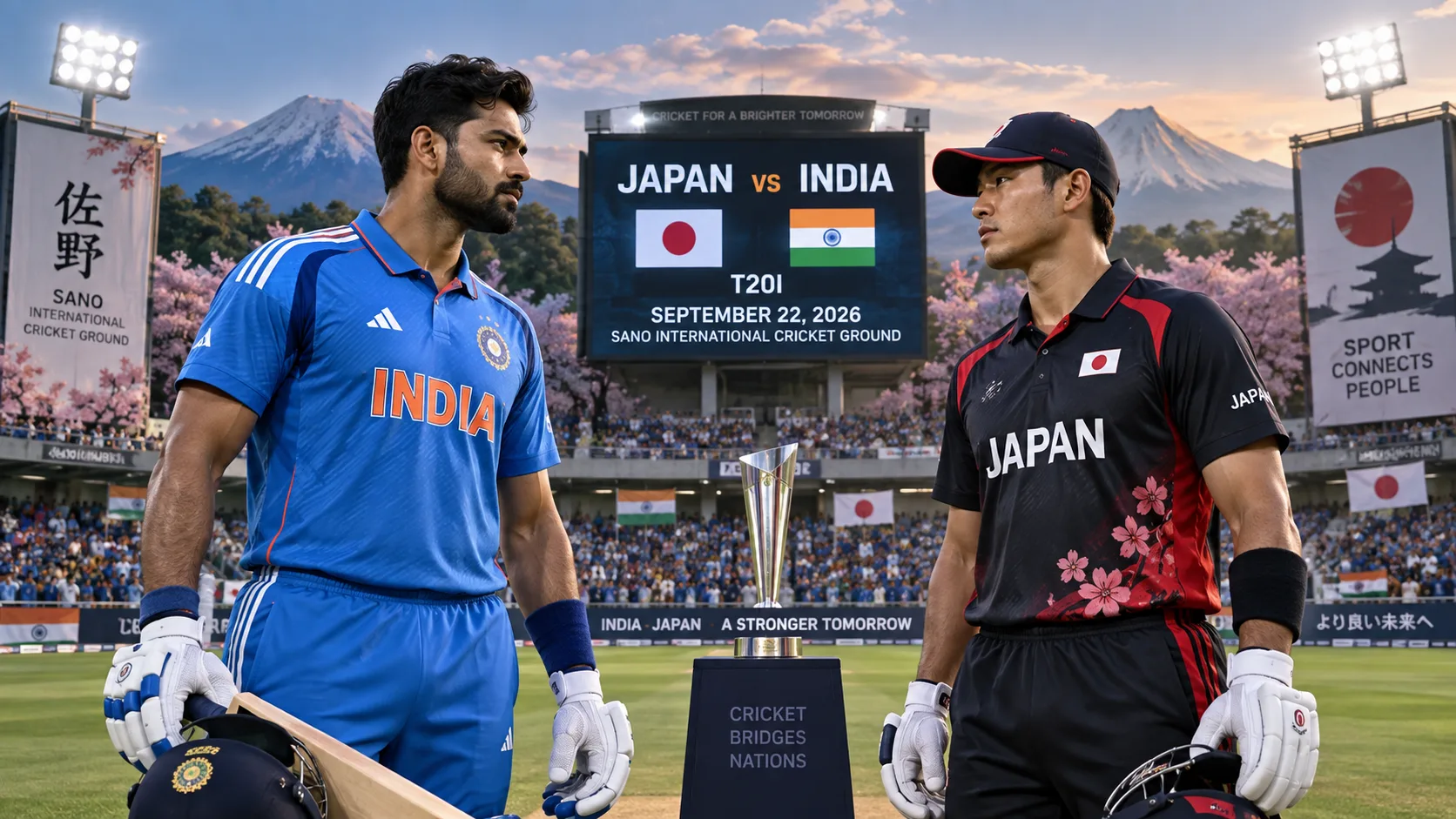
Japan vs India T20I: Historic Clash Set for Sano
Japan vs India T20I on September 22, 2026, marks their first men’s international meeting as Shreyas Iyer leads India in a historic Sano clash. 2026 Formula One World Championship: Title Race Heats Up Now The cricket world is set for a meeting that would have sounded unusual a few years ago. Japan vs India T20I…








Join Us on Social Media!
Stay updated with the latest from EasyBuzz. Connect with us: