
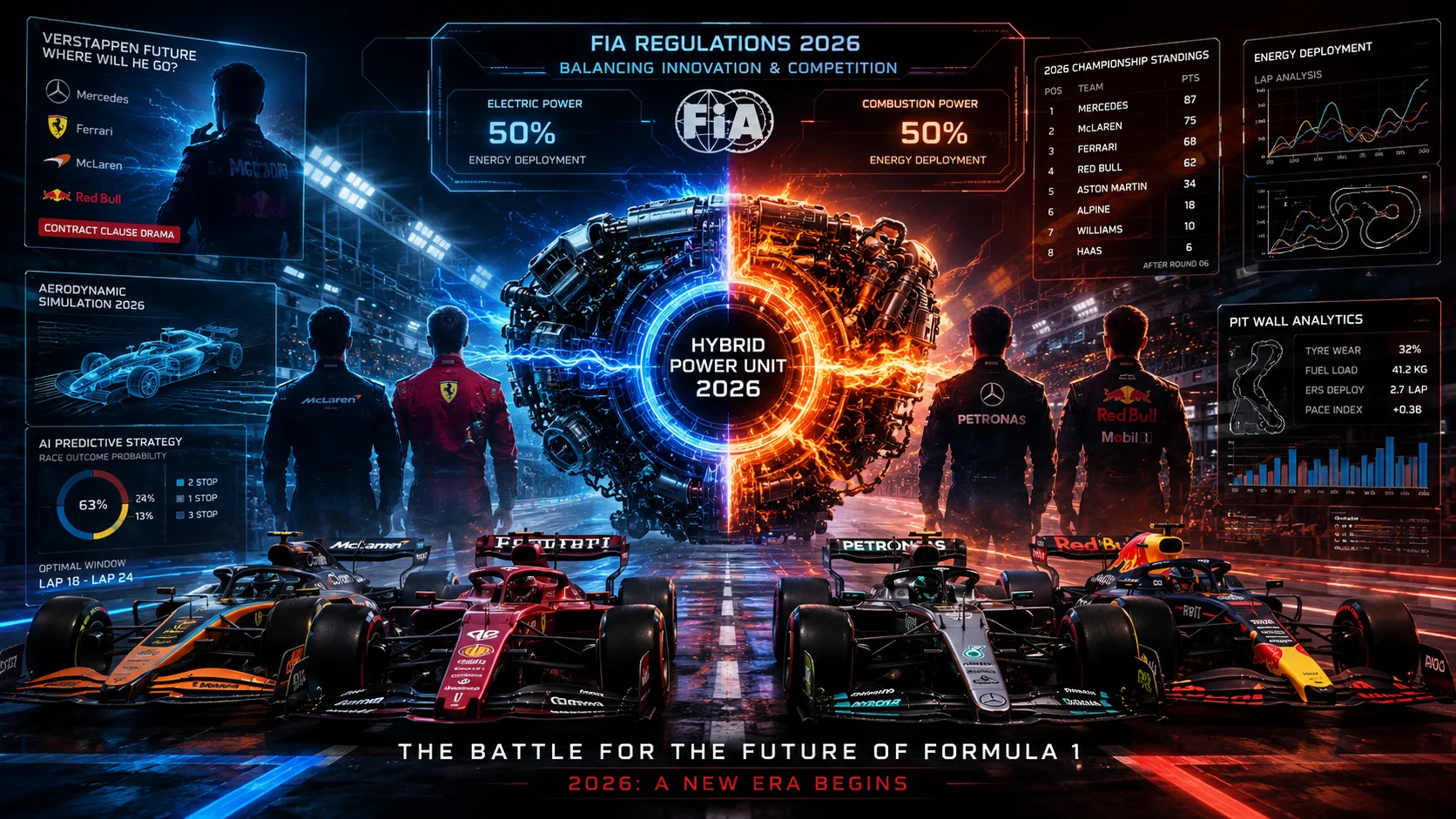
Formula 1’s 2026 season is reshaping motorsports with engine rule drama, Verstappen speculation, McLaren innovation, and FIA intervention.
Yantrodharaka Hanuman Temple Hampi Draws Global Focus
Formula 1
Formula 1 has entered one of the most politically volatile and technologically disruptive eras in modern motorsport history. What began as a bold regulatory reset for 2026 is quickly evolving into a high-stakes power struggle involving the FIA, engine manufacturers, elite drivers, and the sport’s biggest teams.
The latest developments across Formula 1 reveal a championship balancing innovation against competitive instability. Teams are already lobbying for future rule revisions, drivers are questioning the current racing philosophy, and manufacturers are scrambling to gain an advantage before the competitive order becomes locked in for years.
At the center of the turbulence sits a deeper question: has Formula 1 created a technical revolution that could fundamentally change how motorsport operates globally?
The FIA’s 2026 regulations introduced lighter chassis concepts, revised aerodynamics, and a radical hybrid power unit formula emphasizing sustainable energy. However, only months into the new era, cracks are beginning to emerge. Drivers including Max Verstappen and Lando Norris have reportedly voiced concerns about excessive energy management and inconsistent racing behavior under the new engine framework.
The controversy centers around Formula 1’s heavy dependence on electrical deployment during races. Teams and drivers argue that the aggressive harvesting systems are forcing competitors into conservation-focused racing rather than flat-out attacking laps. The FIA has already acknowledged the criticism and agreed “in principle” to revise the engine balance again for 2027, shifting away from the current near 50-50 hybrid split toward a more combustion-heavy setup.
That level of regulatory reconsideration so early in a new cycle is rare in Formula 1. It signals growing concern that the sport may have over-engineered itself into a less natural racing product.
Meanwhile, the competitive hierarchy is becoming increasingly unstable.
McLaren Formula 1 Team has emerged as one of the most aggressive innovators on the grid, reportedly exploring advanced rotating rear-wing concepts already seen on rival machinery from Ferrari and Red Bull. The development race has intensified following major upgrade packages introduced across Miami, where Mercedes, Ferrari, McLaren, and Red Bull all appeared capable of fighting at the front.
Mercedes, in particular, appears to have adapted quickly to the new rules. Their early pace in 2026, combined with ongoing rumors surrounding Verstappen’s future, has fueled speculation that another major power shift may already be underway.
The Verstappen storyline has become the defining off-track narrative of the season.
Reports suggest that Mercedes, Ferrari, and McLaren are all monitoring the four-time world champion’s situation at Red Bull amid concerns over the team’s adaptation to the new regulations. Performance-related clauses in Verstappen’s contract are reportedly adding further uncertainty.
For Formula 1, this is more than simple driver-market drama. Verstappen’s future represents a referendum on which organization truly understands the new era best. If the sport’s dominant driver loses confidence in Red Bull’s long-term competitiveness under the revised rules, it could permanently alter the balance of power inside Formula 1.
Beyond the paddock politics, 2026 is also redefining the commercial structure of motorsport.
Audi’s official entry into Formula 1, Ford’s return through its Red Bull partnership, and Cadillac’s upcoming arrival demonstrate how the championship has transformed into a global technology battleground. Manufacturers no longer see Formula 1 solely as racing entertainment. It has become a laboratory for hybrid systems, sustainable fuels, AI-assisted strategy development, and advanced computational engineering.
That technological evolution is accelerating rapidly. Research emerging from motorsport analytics circles now focuses heavily on machine-learning race strategy optimization, predictive energy deployment, and AI-assisted tactical simulations. Formula 1 teams increasingly operate like aerospace engineering firms rather than traditional racing outfits.
At the same time, fan interest remains exceptionally strong despite the complexity debate.
Verstappen’s appearance at the Nürburgring 24 Hours triggered record demand and massive global attention for endurance racing. Formula 1’s influence now extends far beyond grand prix weekends, shaping broader motorsport culture across endurance racing, esports, technology partnerships, and digital fan ecosystems.
McLaren’s newly announced partnership with Intel further illustrates this convergence between motorsport and high-performance computing infrastructure. Modern Formula 1 success increasingly depends as much on data-processing capability as mechanical engineering.
The wider motorsport industry is watching closely because Formula 1 often acts as the trendsetter for elite racing categories. The decisions made during this 2026 transition period could influence future regulations across endurance championships, Formula E, IndyCar, and even automotive R&D priorities.
What makes the current moment especially fascinating is that Formula 1 appears caught between two identities. One side of the sport wants technological extremism, sustainability leadership, and hyper-advanced engineering. The other wants simpler, more aggressive racing that prioritizes driver instinct and wheel-to-wheel combat.
The FIA now faces the difficult challenge of satisfying both visions simultaneously.
Whether the 2026 regulations eventually become remembered as a revolutionary success or an overcomplicated experiment may depend on how quickly Formula 1 can restore the balance between innovation and entertainment.
For now, the championship remains in flux — and that uncertainty may be exactly what makes this era so compelling.
Disclaimer: The information presented in this article is intended for general informational, editorial, and educational purposes only. While every effort has been made to ensure accuracy and relevance at the time of publication, Formula 1, FIA regulations, team developments, driver markets, and motorsport technologies are subject to rapid change. Any opinions, analysis, forecasts, or speculative discussions included in this content reflect journalistic interpretation and should not be considered official statements from Formula 1, the FIA, racing teams, drivers, sponsors, or associated organizations. References to teams such as McLaren, Ferrari, Mercedes, Red Bull, Audi, Cadillac, or individual drivers are based on publicly available reports, media coverage, and ongoing industry developments. Competitive standings, technical regulations, transfer rumors, and performance projections may evolve throughout the season. This article does not provide financial, legal, betting, or professional advisory guidance. Readers are encouraged to verify critical updates through official Formula 1 channels, FIA announcements, and accredited motorsport publications. All trademarks, team names, logos, and motorsport-related branding belong to their respective owners and are used solely for editorial commentary and reporting purposes.
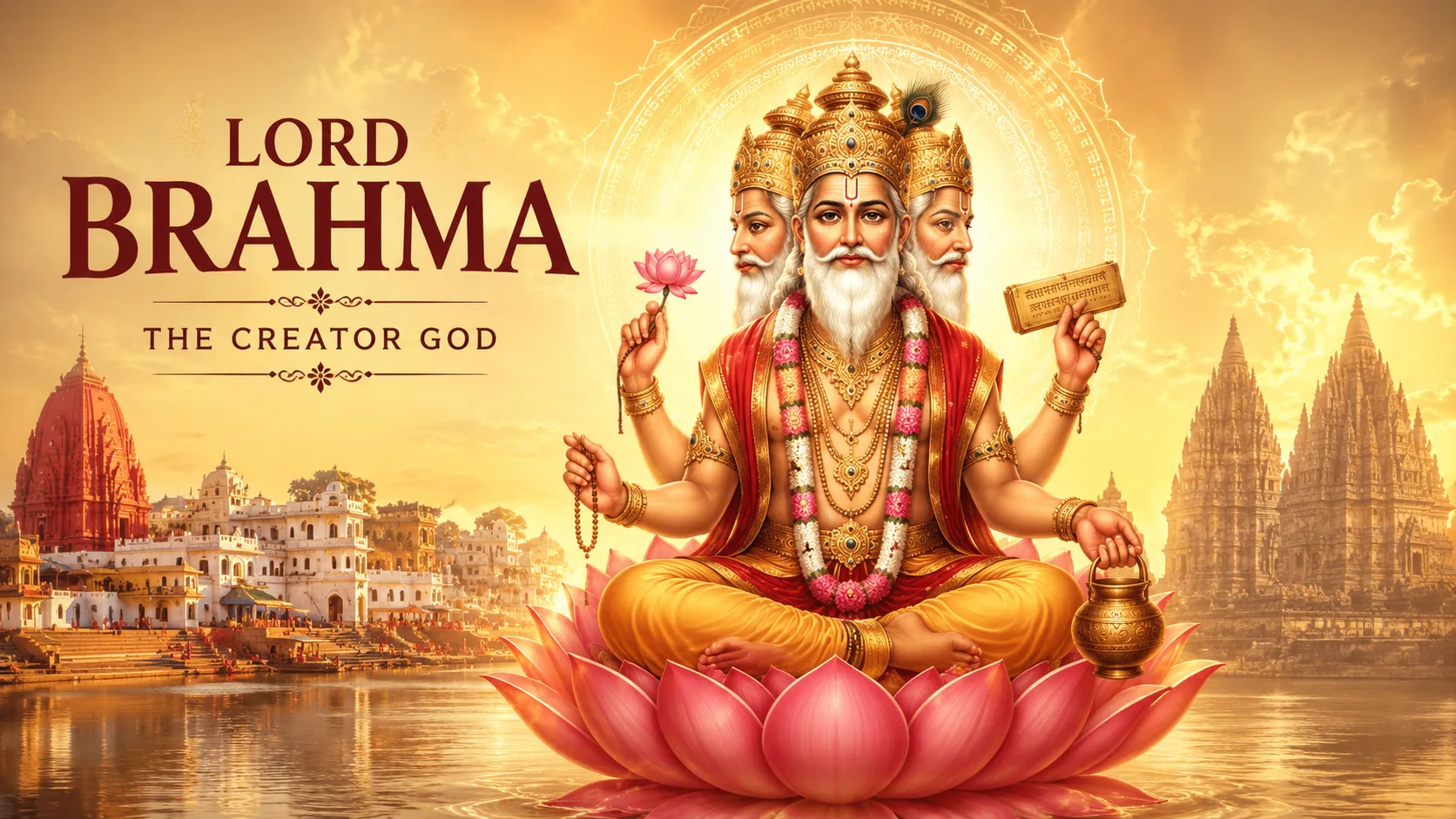
Lord Brahma in 2026: Why the Creator God Still Matters

Lord Brahma remains central to Hindu cosmology. Explore his mythology, symbolism, Pushkar temple, and why his legacy continues to draw attention in 2026. Ashta Lakshmi: Eight Divine Goddesses of Prosperity Guide Lord Brahma in 2026: Why the Creator God Still Matters Lord Brahma occupies a distinctive place in Hindu thought. Known as the creator within…
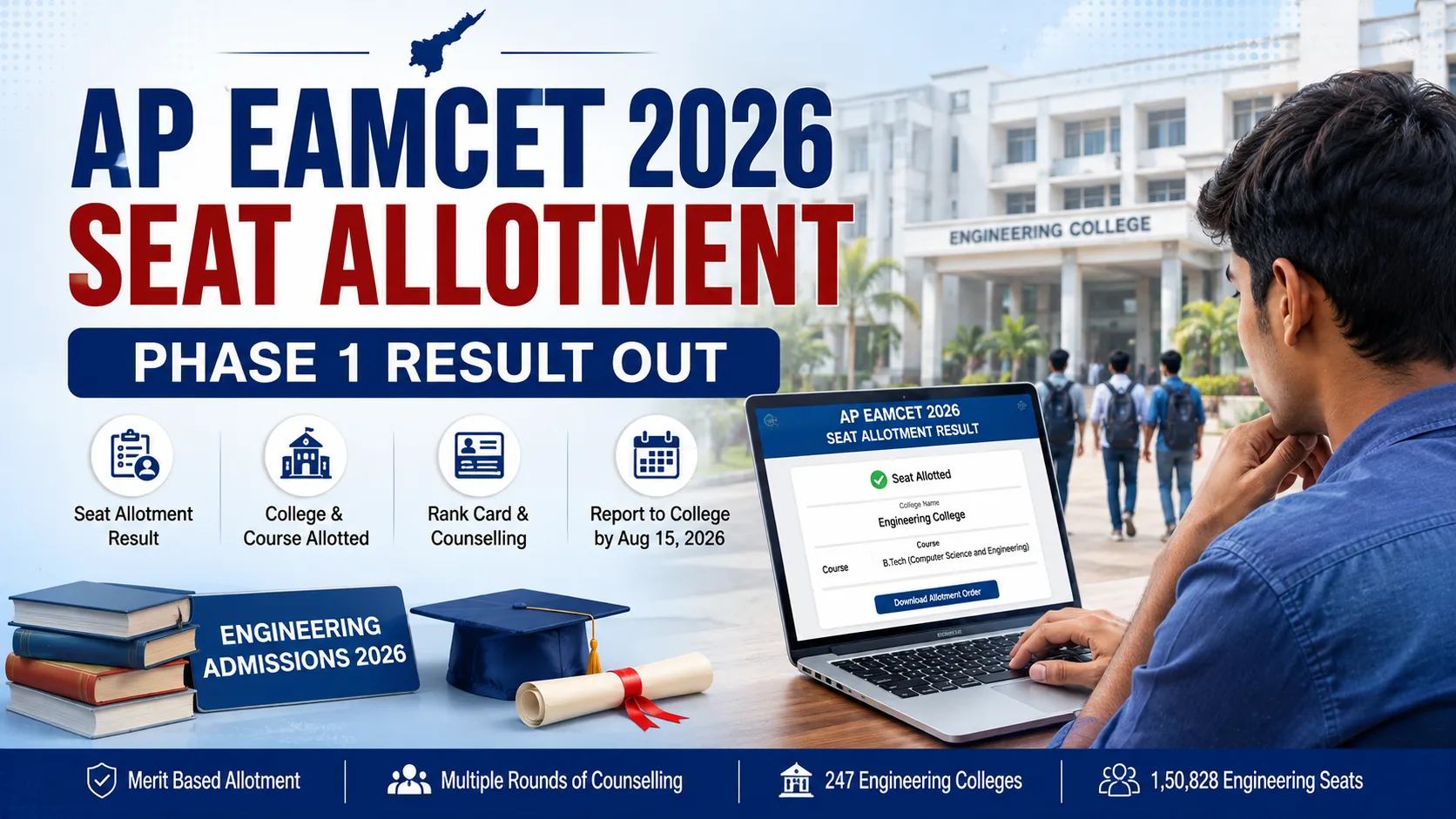
AP EAMCET Seat Allotment 2026: Phase 1 Result Out
AP EAMCET seat allotment 2026 Phase 1 is out. Check your college, course, reporting dates, admission steps, documents and what to do after the allotment result. Ashta Lakshmi: Eight Divine Goddesses of Prosperity Guide AP EAMCET Seat Allotment 2026: Phase 1 Result Out AP EAMCET seat allotment 2026 has become one of the most searched…
Ashta Lakshmi: Eight Divine Goddesses of Prosperity Guide
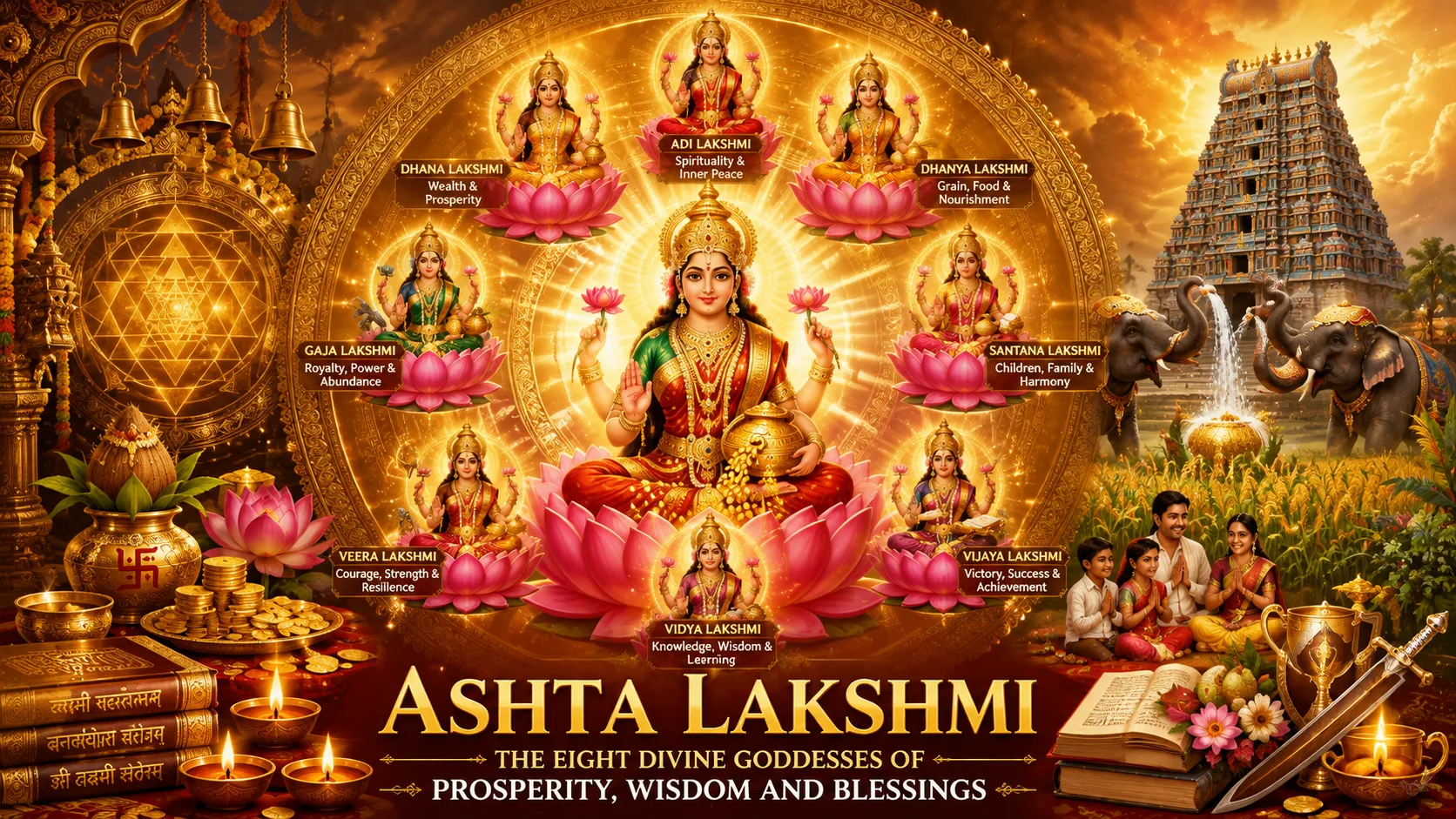
Discover Ashta Lakshmi, the eight divine forms of Goddess Lakshmi, their significance, blessings, symbolism, temples, festivals, and latest updates. Dakshinamurti: The Eternal Guru of Wisdom and Knowledge Ashta Lakshmi: Eight Divine Goddesses of Prosperity Guide The worship of Ashta Lakshmi continues to inspire millions of devotees across India and around the world. In 2026, several…


Join Us on Social Media!
Stay updated with the latest from EasyBuzz. Connect with us: