
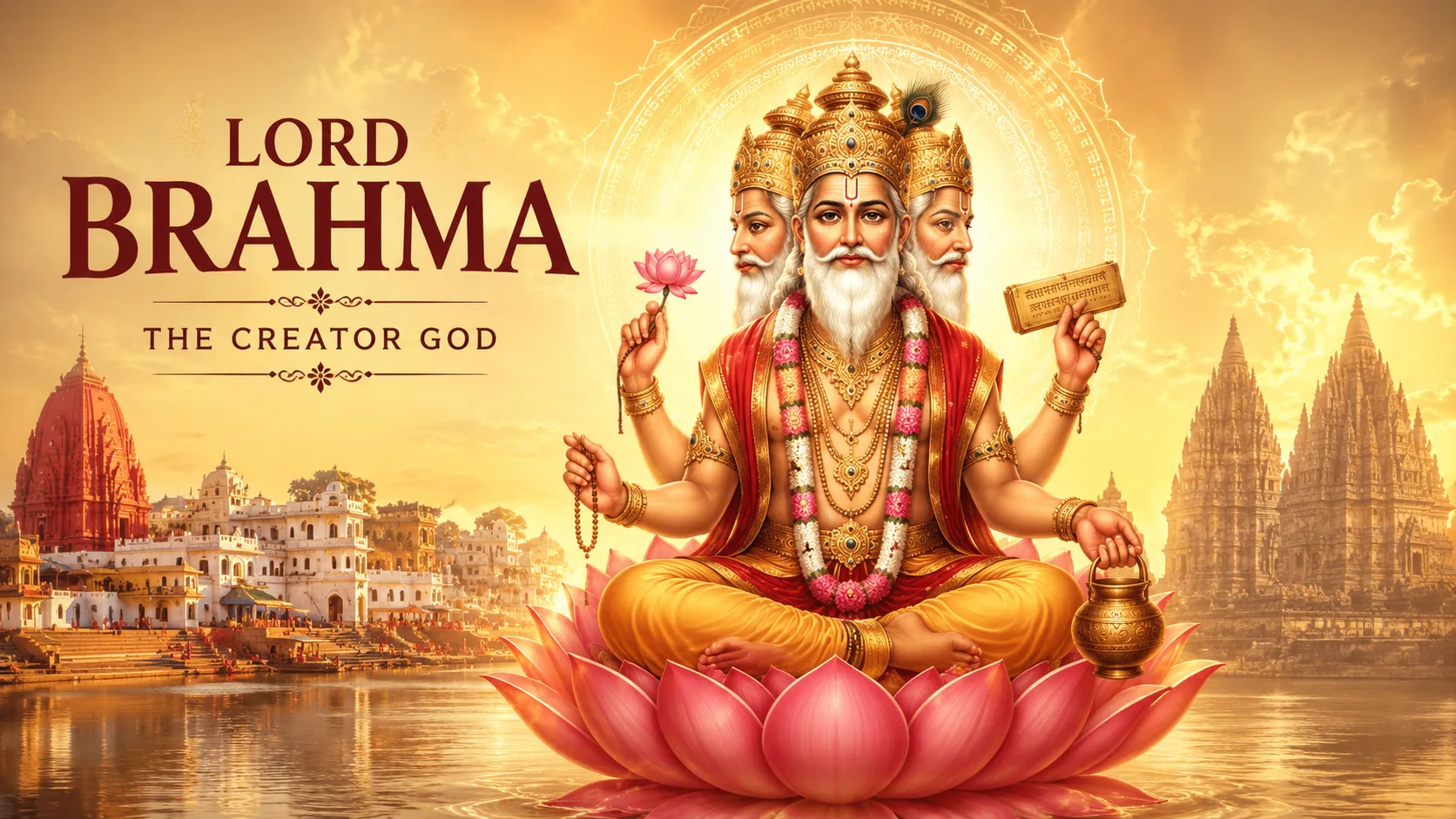
Lord Brahma remains central to Hindu cosmology. Explore his mythology, symbolism, Pushkar temple, and why his legacy continues to draw attention in 2026.
Ashta Lakshmi: Eight Divine Goddesses of Prosperity Guide
Lord Brahma in 2026: Why the Creator God Still Matters
Lord Brahma occupies a distinctive place in Hindu thought. Known as the creator within the Trimurti of Brahma, Vishnu and Shiva, he represents the force through which creation takes form. Yet unlike Vishnu and Shiva, Lord Brahma has relatively few temples dedicated exclusively to his worship.
That unusual contrast is one reason the story of Lord Brahma continues to attract interest. In 2026, his legacy is being viewed not only through mythology and religious tradition but also through heritage, tourism and the preservation of ancient Hindu cultural sites.
Recent developments have once again brought that connection into focus. In July 2026, Prime Minister Narendra Modi visited Indonesia’s historic Prambanan Temple complex with Indonesian President Prabowo Subianto. The UNESCO World Heritage site is dedicated to the Hindu Trimurti, with temples representing Shiva, Vishnu and Brahma. The visit also marked the inauguration of a restoration and conservation initiative, highlighting the continuing cultural links between India and Indonesia.
Meanwhile, in Rajasthan, the long-standing importance of the Brahma Temple at Pushkar is being reinforced by renewed development around the pilgrimage town. A major Pushkar development proposal reported in July 2026 includes a Brahma Temple corridor, improvement of the town’s 52 ghats and restoration of historic temples.
Who is Lord Brahma?
Lord Brahma is traditionally regarded as the creator deity in Hindu cosmology. He forms one part of the Trimurti, alongside Lord Vishnu, associated with preservation, and Lord Shiva, associated with dissolution and transformation.
It is important to distinguish Brahma, the deity, from Brahman, the philosophical concept of the ultimate reality in several Hindu traditions. The similarity in their names can sometimes create confusion, but they represent different concepts.
Traditional representations of Lord Brahma commonly show him with four faces and four arms. The four faces are often associated with the four Vedas, while his imagery includes objects connected with knowledge, ritual and creation. His vehicle is traditionally the hamsa, or swan.
These symbols reflect a broader idea: creation is not simply physical birth. It is also connected with knowledge, order, speech and the unfolding of the universe.
The story of Brahma’s creation
Hindu traditions contain more than one account of the origins of Lord Brahma.
One important tradition connects him with the cosmic golden egg, or Hiranyagarbha, an idea associated with early Vedic thought. Another widely known account in later Hindu literature describes Brahma emerging from a lotus that grows from Lord Vishnu’s navel while Vishnu rests upon the cosmic waters.
These different traditions should not necessarily be treated as competing historical accounts. Hindu religious literature developed across different periods and schools, producing multiple ways of explaining creation and divine relationships.
That layered tradition is part of what makes Lord Brahma such an interesting figure in Hindu philosophy and mythology.
Why does Lord Brahma have so few temples?
Perhaps the biggest question surrounding Lord Brahma is simple: if he is the creator, why are there comparatively few temples devoted primarily to him?
The answer is largely found in religious tradition and mythology.
The most famous explanation is associated with Pushkar. According to local tradition, Brahma wanted to perform a yajna at Pushkar. During the ritual, circumstances led to Brahma marrying Gayatri, while his consort Savitri arrived after the ceremony had begun. The tradition says that Savitri became angered and cursed Brahma, restricting his widespread worship.
This is a religious legend rather than a historical explanation, but it has become deeply connected with Pushkar’s identity.
The Rajasthan Tourism Department itself identifies Pushkar’s Brahma Temple as a major sacred site and preserves the traditional association between Brahma’s worship, Pushkar Lake and the town’s mythology.
Pushkar remains the heart of Brahma worship
For anyone exploring the living tradition of Lord Brahma, Pushkar in Rajasthan remains the most important destination.
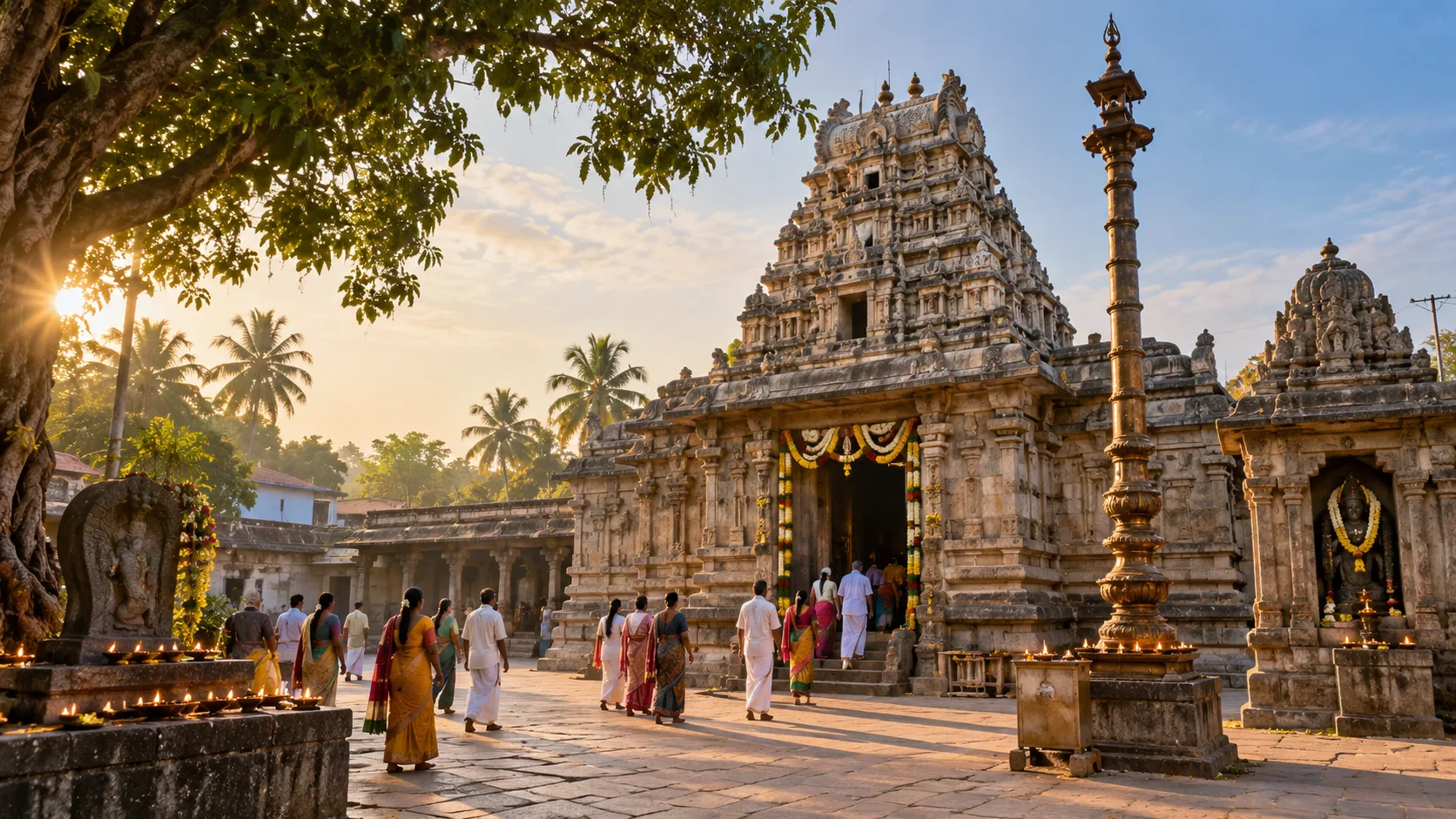
The Jagatpita Brahma Mandir stands close to the sacred Pushkar Lake. Rajasthan Tourism describes the temple as being dedicated to Lord Brahma and notes that the site has an ancient history, while the present structure dates largely to the medieval period. The temple is recognised by its red shikhara, marble architecture and hamsa imagery.
The temple’s importance extends beyond its architecture. Pushkar itself has developed as a major pilgrimage and tourism centre, surrounded by temples, ghats and religious traditions.
The official Incredible India tourism portal also highlights the temple’s distinctive architecture and its long-standing importance as a pilgrimage destination.
The annual Kartik period is particularly significant. During the Pushkar Fair, pilgrims and visitors gather in large numbers, combining religious observance with one of Rajasthan’s most internationally recognised cultural events.
Lord Brahma and the symbolism of four faces
The four-faced representation of Lord Brahma is among the most recognisable aspects of his iconography.
The symbolism is commonly connected with the four Vedas and the four directions. Rather than simply depicting a deity with multiple faces, the image can be understood as representing knowledge extending in every direction.
His association with Saraswati further strengthens the connection between creation and knowledge. In Hindu tradition, Saraswati represents learning, wisdom, music and speech.
This makes Brahma’s symbolism particularly relevant even in a modern context. Creation requires knowledge, imagination and the ability to give structure to ideas.
Lord Brahma’s presence beyond India
Lord Brahma’s influence is not confined to India.
The Prambanan Temple complex in Indonesia provides one of the strongest examples of the wider historical reach of Hindu traditions in Southeast Asia. UNESCO describes Prambanan as a major Hindu temple complex featuring shrines dedicated to Shiva, Vishnu and Brahma. The complex dates to the medieval period and is recognised for its outstanding cultural and architectural value.
The 2026 visit by the Indian and Indonesian leaders brought renewed attention to this shared heritage. The Indian Prime Minister’s Office described the Prambanan visit as part of the continuing civilisational and cultural relationship between India and Indonesia.
For Lord Brahma, this is significant because it demonstrates that his place within the Trimurti travelled far beyond the Indian subcontinent.
What makes Lord Brahma different from Vishnu and Shiva?
The three deities of the Trimurti are often explained through their cosmic functions: Brahma creates, Vishnu preserves and Shiva dissolves or transforms.
However, Hindu traditions are much more diverse than a simple three-part division suggests. Different philosophical schools and devotional traditions place different deities at the centre of their theology.
Lord Brahma’s comparatively limited independent worship does not mean that his theological role is insignificant. Creation is fundamental to the cosmic cycle, and Brahma remains an important figure in Hindu cosmological narratives.
His relative absence from popular temple worship is itself an interesting part of Hindu religious history.
Why Lord Brahma remains relevant today
The modern interest in Lord Brahma is not limited to religious devotion.
His story intersects with heritage conservation, architecture, mythology, tourism and the study of Indian civilisation. Pushkar demonstrates how mythology can shape the identity of an entire pilgrimage town, while Prambanan demonstrates how Hindu religious architecture became part of Southeast Asia’s cultural landscape.
The 2026 developments surrounding both sites show that these traditions remain part of contemporary public life rather than existing only in ancient texts.
For travellers, Lord Brahma’s legacy offers a journey through Pushkar’s lake and temples. For students of mythology, it opens a window into Hindu ideas about creation. For historians, it provides an opportunity to examine the evolution of religious traditions across South and Southeast Asia.
The enduring legacy of Lord Brahma
Lord Brahma may not have the enormous temple network associated with Vishnu or Shiva, but his place in Hindu cosmology remains unmistakable.
His four faces, association with the Vedas, connection with Saraswati and role as the creator represent a recurring idea in Hindu thought: creation begins with knowledge and order.
Today, Pushkar continues to preserve one of the world’s best-known centres of Brahma worship, while Prambanan stands as a reminder that the Trimurti’s cultural influence extended across ancient Southeast Asia.
That combination of mythology, living worship and heritage explains why Lord Brahma continues to remain relevant in 2026. His story is not simply about the beginning of the universe; it is also about how civilizations preserve, reinterpret and carry their traditions into the future.
Lord Brahma
Lord Brahma developed into a major creator figure within Hindu cosmological traditions over centuries of religious and philosophical development. Ancient Vedic ideas surrounding cosmic creation evolved into later Puranic narratives that gave Brahma a more clearly defined personal form.
The Pushkar tradition became particularly important because the town’s identity is closely associated with Brahma’s yajna and the sacred Pushkar Lake. Rajasthan Tourism continues to identify the Brahma Temple as one of the defining religious landmarks of the region.
At the same time, sites such as Prambanan demonstrate that Brahma’s representation formed part of a much wider Hindu cultural network. UNESCO records the presence of temples dedicated to Brahma, Vishnu and Shiva within the Prambanan complex.
Frequently Asked Questions About Lord Brahma
Who is Lord Brahma?
Lord Brahma is traditionally regarded as the creator deity in Hindu cosmology and one member of the Trimurti, alongside Vishnu and Shiva.
Why does Lord Brahma have four heads?
His four heads are traditionally associated with the four Vedas and the four directions, symbolising knowledge and awareness extending in all directions.
Where is the most famous Lord Brahma Temple?
The most famous temple dedicated to Lord Brahma is the Jagatpita Brahma Mandir in Pushkar, Rajasthan.
Why are there so few Brahma temples?
Hindu tradition commonly connects the limited worship of Brahma with the legend of Savitri’s curse after the events surrounding Brahma’s yajna at Pushkar. This is a religious tradition rather than a historically verified event.
Is Brahma the same as Brahman?
No. Brahma refers to the creator deity, while Brahman is a philosophical concept referring to ultimate reality in several Hindu traditions.
Is Lord Brahma worshipped outside India?
Yes. Lord Brahma appears in Hindu religious heritage outside India, including the Prambanan Temple complex in Indonesia, where he is represented as part of the Trimurti.
Disclaimer: This article and its accompanying image are intended for informational, cultural, and devotional purposes only. The descriptions of Lord Brahma, Hindu mythology, religious traditions, and sacred sites are based on commonly known scriptures, cultural traditions, and historical sources. Interpretations may vary across regions, communities, and Hindu traditions. The AI-generated image is an artistic representation and should not be considered an exact depiction of any deity or sacred site.
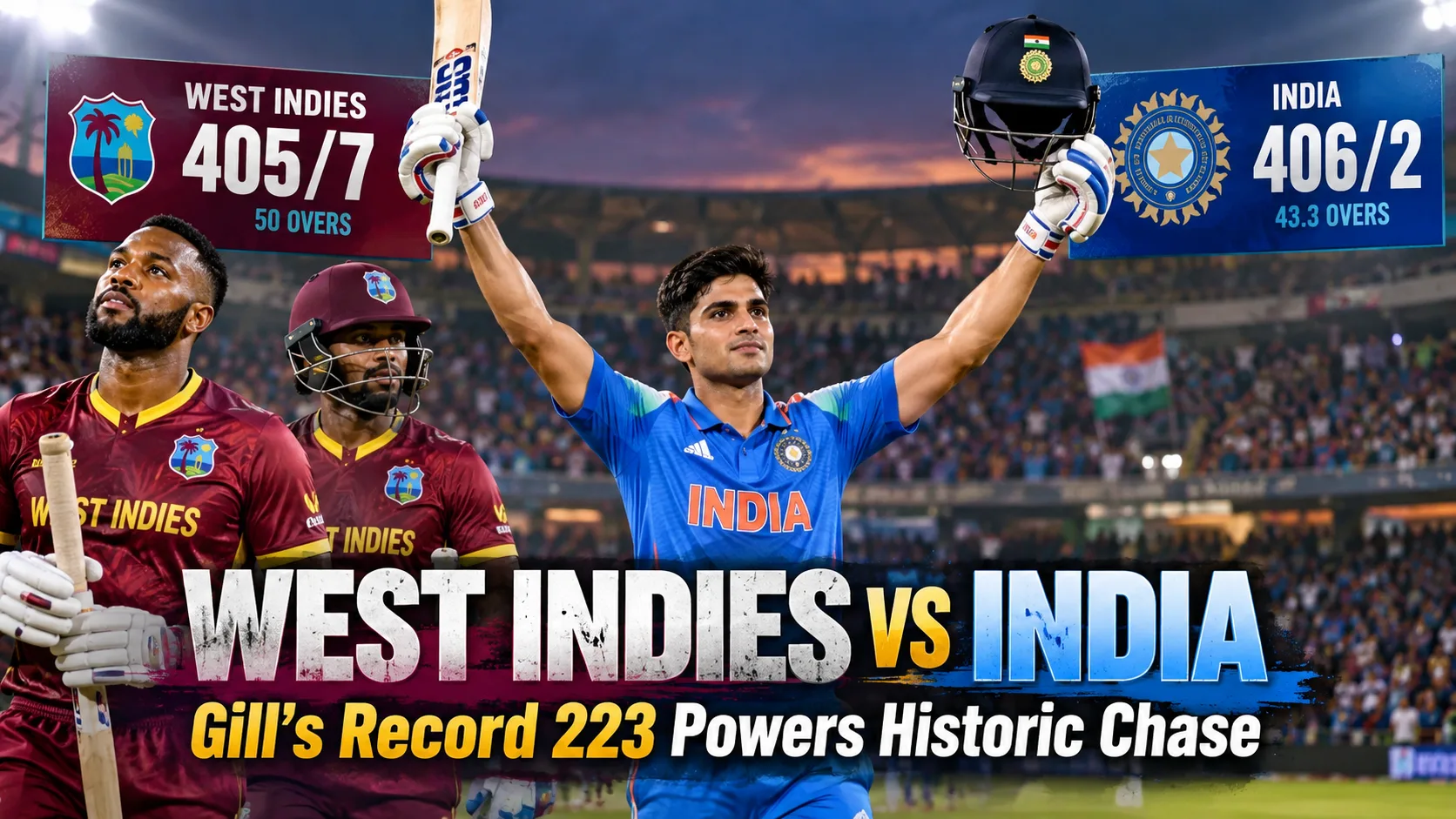
West Indies vs India: Gill Powers Historic ODI Chase

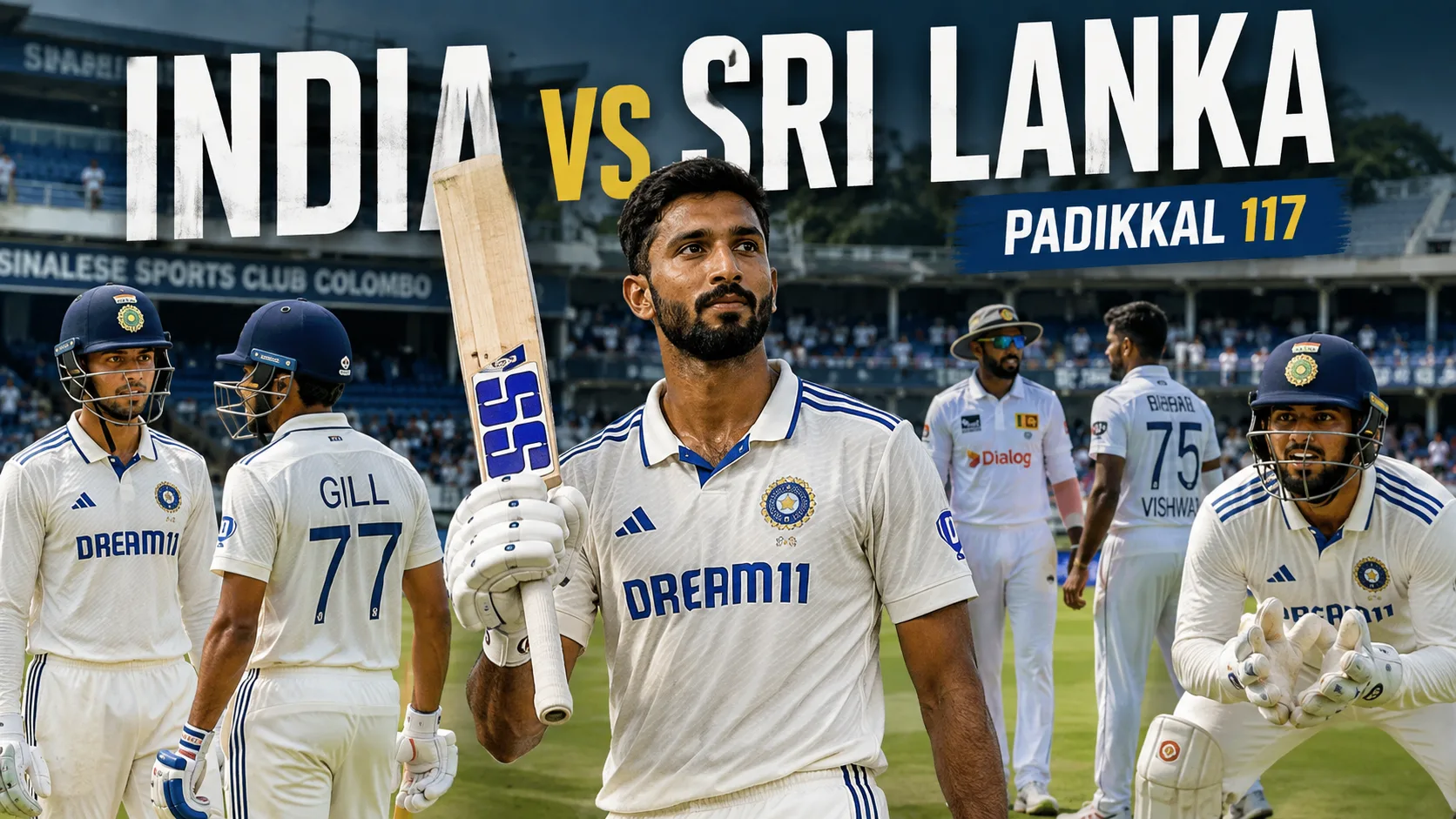
West Indies vs India saw Shubman Gill smash 223 as India chased 406 to win the second ODI by eight wickets and seal the series 2-0 in Guwahati. Caribbean Premier League 2026: Falcons Make History West Indies vs India: Gill Leads Historic Run Chase The West Indies vs India ODI series took another dramatic turn…
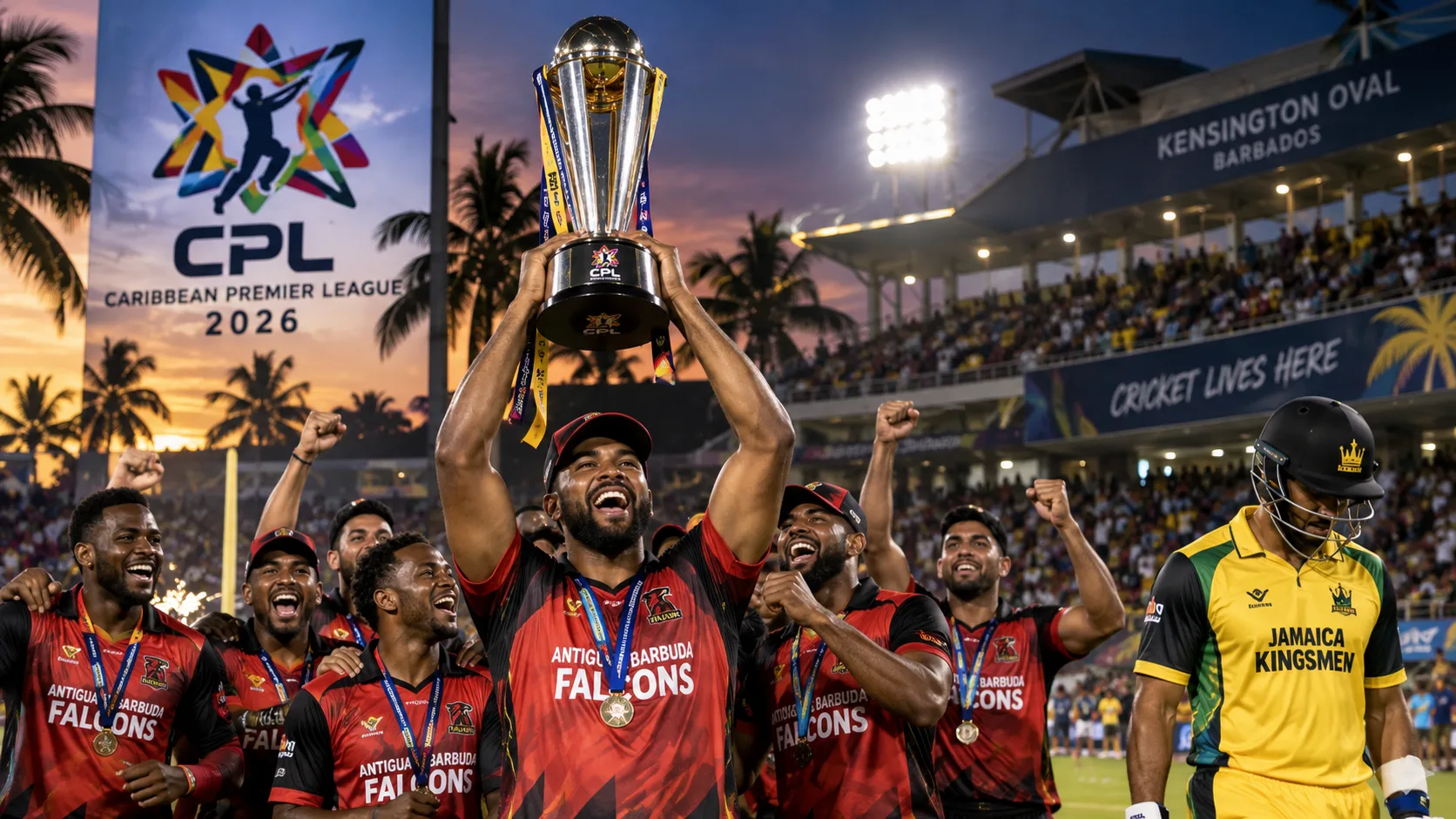
Caribbean Premier League 2026: Falcons Make History
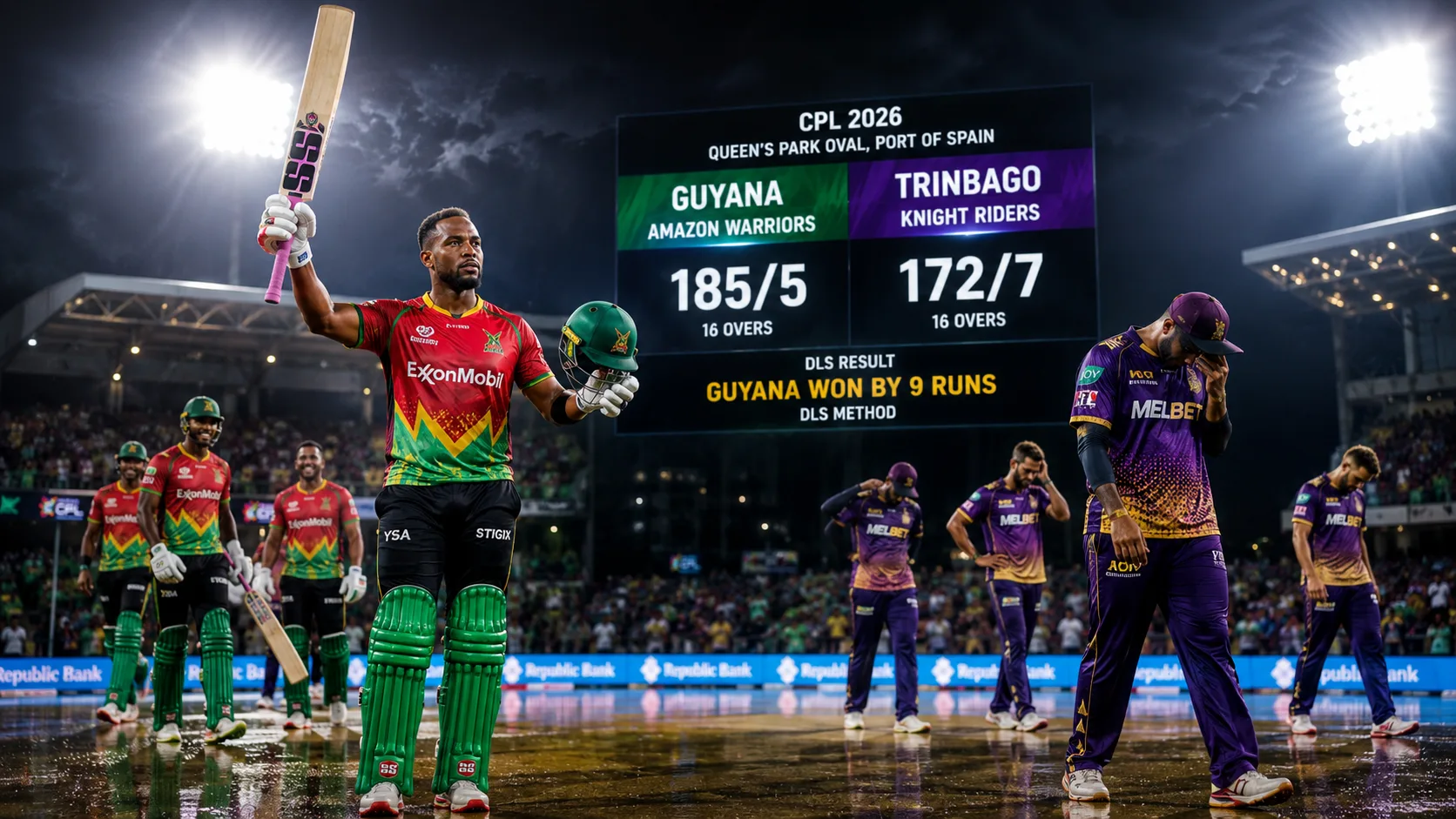
Caribbean Premier League 2026 ends with Antigua & Barbuda Falcons winning their maiden title after beating Jamaica Kingsmen by eight wickets in Barbados. Japan vs India T20I: Historic Clash Set for Sano Caribbean Premier League 2026: A Historic Finish The Caribbean Premier League has wrapped up another memorable season, and the 2026 edition has produced…
Japan vs India T20I: Historic Clash Set for Sano
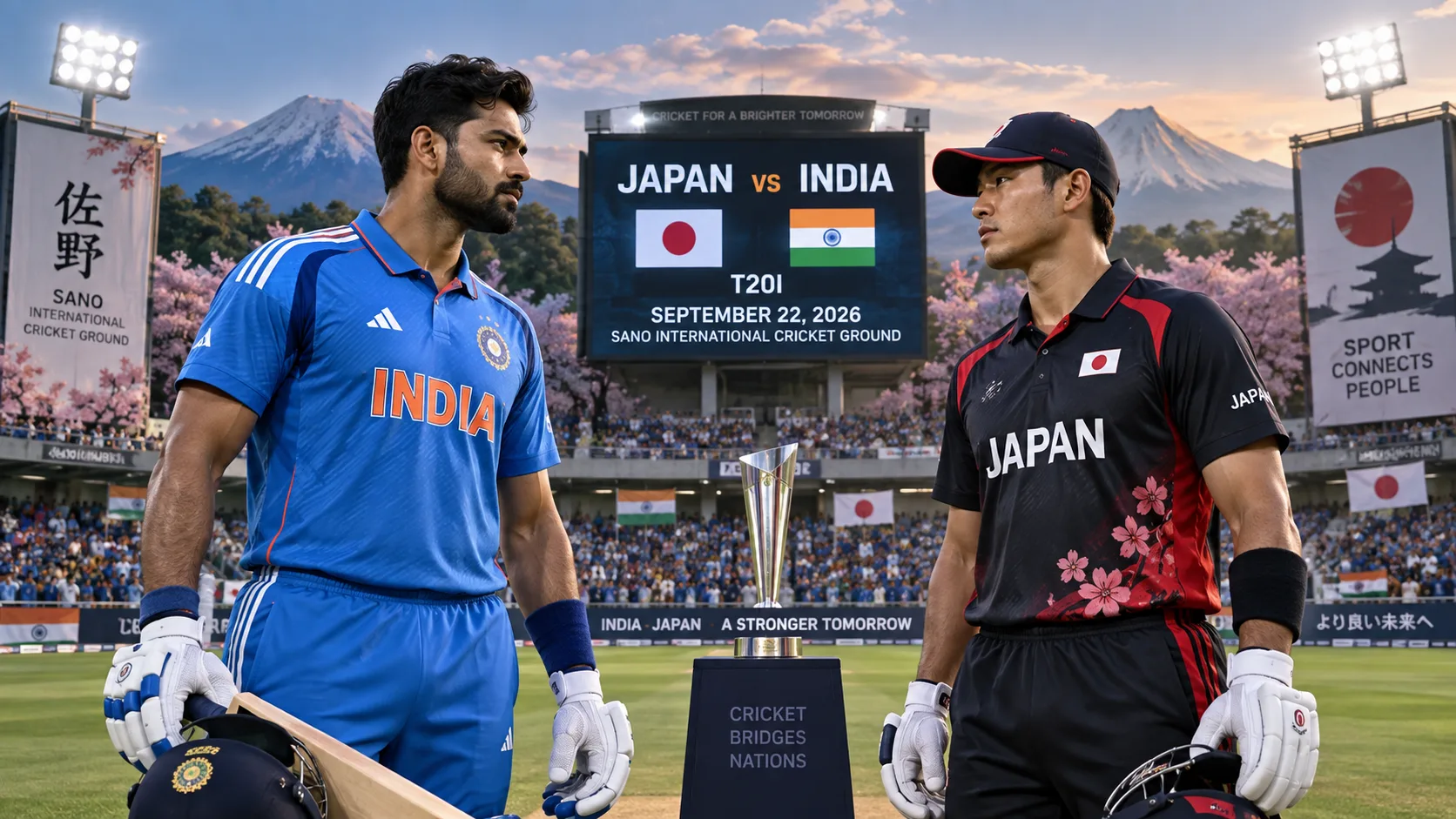
Japan vs India T20I on September 22, 2026, marks their first men’s international meeting as Shreyas Iyer leads India in a historic Sano clash. 2026 Formula One World Championship: Title Race Heats Up Now The cricket world is set for a meeting that would have sounded unusual a few years ago. Japan vs India T20I…



Join Us on Social Media!
Stay updated with the latest from EasyBuzz. Connect with us: