
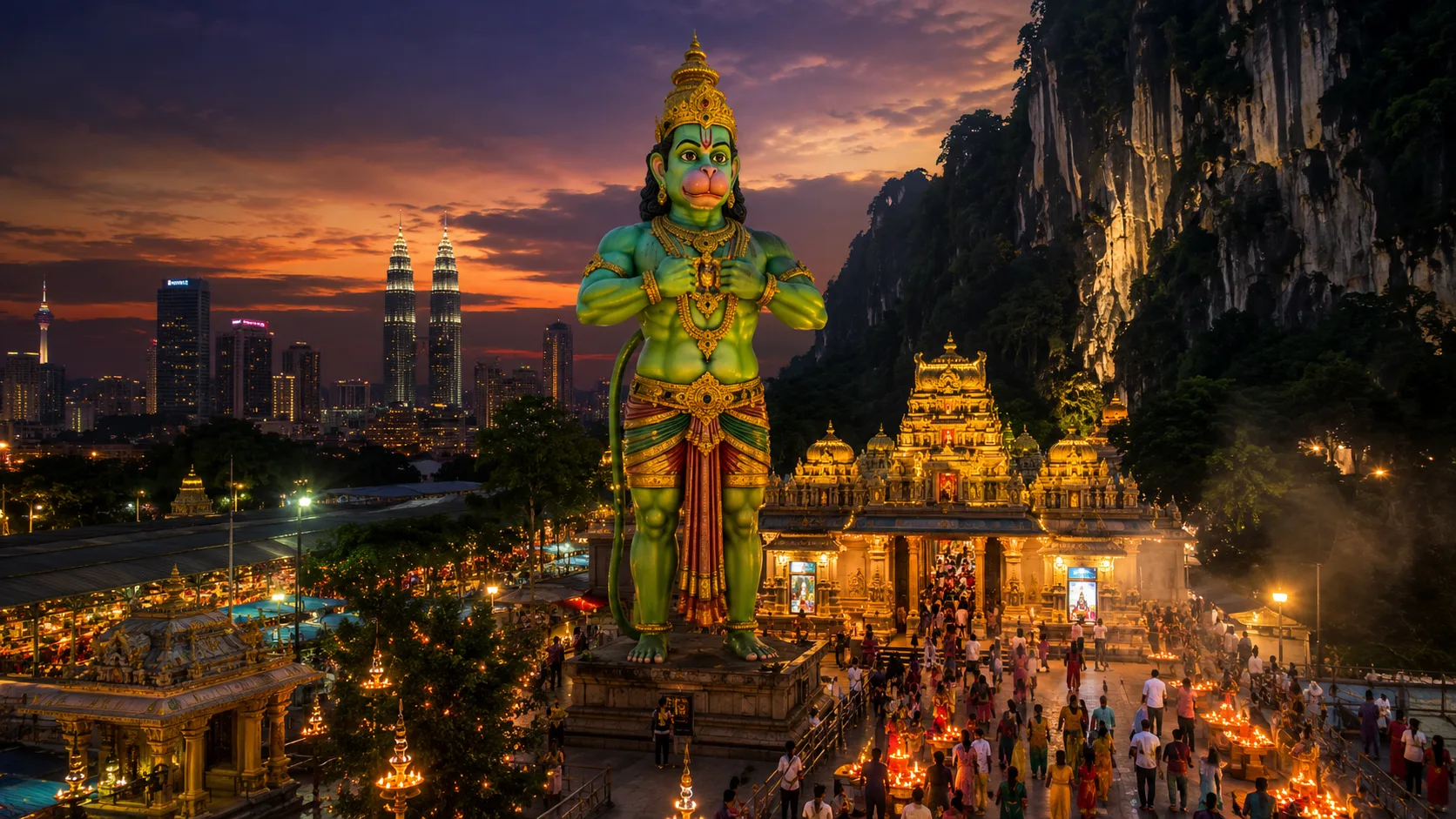
Sri Anjaneya Temple (Malaysia) attracts global devotees through Batu Caves tourism, Hanuman worship, and rising spiritual travel trends.
Daksharamam Emerges as Andhra’s Spiritual Tourism Hub
Sri Anjaneya Temple (Malaysia) Becomes a Rising Spiritual Tourism Icon
The growing visibility of Sri Anjaneya Temple (Malaysia) is reshaping Malaysia’s position within Southeast Asia’s spiritual tourism landscape. Over the past year, renewed international attention surrounding Hanuman worship, Batu Caves pilgrimage activity, and digital travel content has turned the temple into one of the most discussed Hindu religious destinations in Malaysia.
Located near the globally recognized Batu Caves complex in Kuala Lumpur, Sri Anjaneya Temple has increasingly appeared across travel platforms, devotional media channels, and cultural tourism reports. The temple’s towering Hanuman statue, devotional atmosphere, and strong connection to Tamil Hindu traditions are now drawing visitors not only from Malaysia and India but also from Singapore, Sri Lanka, Nepal, and other parts of the global Hindu diaspora.
Recent social media coverage from devotional broadcasters and tourism creators has amplified the temple’s online reach significantly. Viral videos featuring Hanuman prayers, Thaipusam celebrations, and Batu Caves pilgrimages have contributed to a surge in searches related to Sri Anjaneya Temple (Malaysia).
Why Sri Anjaneya Temple (Malaysia) Is Trending
One of the strongest drivers behind the temple’s popularity is the global revival of interest in Lord Hanuman worship. Across Hindu communities, Hanuman is increasingly viewed as a spiritual symbol of strength, discipline, loyalty, and protection during uncertain times. This renewed devotional focus has naturally elevated temples dedicated to Anjaneyar across Southeast Asia.
Travel discussions in 2026 increasingly identify the Sri Anjaneyar Temple near Batu Caves as an essential stop for pilgrims visiting Kuala Lumpur. The striking green Hanuman statue positioned against the limestone hills has become one of Malaysia’s most recognizable spiritual visuals online.
The broader tourism ecosystem around Batu Caves has also contributed to the temple’s momentum. Every year, millions of devotees and tourists visit Batu Caves during Thaipusam, making the surrounding religious corridor one of the most active Hindu pilgrimage destinations outside India. Sri Anjaneya Temple benefits directly from this cultural and spiritual traffic.
At the same time, Malaysia’s multicultural tourism branding has encouraged greater international awareness of Hindu heritage sites. Temples once primarily known within local Tamil communities are now becoming internationally recognized cultural landmarks.
The Cultural Importance of Hanuman Worship in Malaysia
Hanuman devotion has long held an important place within Malaysia’s Hindu religious landscape. Lord Hanuman is worshipped as the embodiment of devotion, courage, wisdom, and perseverance. In Malaysian Hindu communities, Saturday prayers dedicated to Anjaneyar often attract large gatherings seeking blessings for personal strength and family well-being.
Sri Anjaneya Temple (Malaysia) reflects the continuity of these traditions among Malaysian Indians, particularly those with Tamil roots. Hindu temple culture remains deeply embedded within Malaysia’s multicultural identity despite urban transformation and historical land-related disputes affecting some temples over the decades.
The spiritual narratives associated with Hanuman temples across Malaysia continue to resonate strongly among devotees. Stories surrounding miraculous experiences, answered prayers, and emotional healing have become part of the temple culture itself. A recent feature highlighting another sea-facing Anjaneyar temple in Port Dickson illustrated how Hanuman devotion remains emotionally powerful across generations of Malaysian Hindus.
Batu Caves Connectivity Strengthens Temple Tourism
The strategic location of Sri Anjaneya Temple near Batu Caves plays a major role in its growing influence. Batu Caves already functions as one of the largest religious tourism destinations in Malaysia, attracting both pilgrims and international travelers throughout the year.
Tourism discussions now frequently connect the Sri Anjaneyar Temple experience with broader Batu Caves travel itineraries. Visitors increasingly seek immersive spiritual experiences rather than simply viewing landmarks. In this environment, temples offering ritual traditions, devotional chanting, architecture, mythology, and living culture naturally gain attention.
The temple also benefits from the rise of Ramayana heritage tourism in Southeast Asia. Countries such as Thailand, Indonesia, Cambodia, and Malaysia are witnessing renewed interest in Hindu epic traditions and temple-based pilgrimage routes. Hanuman, as one of the most beloved figures in the Ramayana, occupies a central place within this cultural revival.
Digital Media Is Redefining Temple Visibility
Another major factor driving interest in Sri Anjaneya Temple (Malaysia) is digital media exposure. Devotional reels, drone photography, festival livestreams, and cinematic travel videos are transforming how younger audiences discover religious destinations.
Unlike previous generations who learned about pilgrimage sites primarily through family traditions, younger travelers now encounter temples through social platforms and travel creators. The visual appeal of Batu Caves and the Hanuman statue has made Sri Anjaneya Temple particularly effective in this digital environment.
This visibility is also strengthening Malaysia’s reputation within niche spiritual tourism markets. Industry observers believe Southeast Asian religious tourism could see major growth over the next decade as travelers increasingly search for culturally meaningful experiences.
A Symbol of Malaysia’s Multicultural Spiritual Identity
Today, Sri Anjaneya Temple (Malaysia) represents more than a devotional site. It has become a symbol of Malaysia’s religious diversity and the enduring presence of Hindu cultural heritage within the country.
The temple’s growing recognition demonstrates how local spiritual institutions can evolve into internationally visible cultural destinations without losing their religious identity. While tourism continues to expand around Batu Caves, devotees still view the temple first and foremost as a sacred space dedicated to Lord Hanuman.
As pilgrimage tourism, cultural storytelling, and digital visibility continue to intersect, Sri Anjaneya Temple appears positioned to become one of Malaysia’s defining spiritual landmarks for the next generation of travelers and devotees alike.
Sri Anjaneya Temple (Malaysia)
Sri Anjaneya Temple (Malaysia), often associated with the Batu Caves region in Kuala Lumpur, is dedicated to Lord Hanuman, also known as Anjaneyar in Tamil Hindu tradition. The temple is widely recognized for its massive Hanuman statue and strong connection to Malaysian Tamil Hindu culture. Over recent years, growing pilgrimage activity, digital travel exposure, and increased Southeast Asian spiritual tourism have elevated the temple’s global profile.
Disclaimer: This article is intended for informational, cultural, and tourism-related purposes only. Temple details, tourism trends, devotional interpretations, and public interest topics mentioned in this article are based on publicly available sources, media discussions, and cultural observations at the time of writing. Readers are advised to verify official temple schedules, festival timings, travel advisories, and religious information directly with authorized temple authorities or official tourism platforms. The article does not claim ownership of any third-party cultural references, architectural heritage, or publicly discussed media coverage associated with Sri Anjaneya Temple (Malaysia).
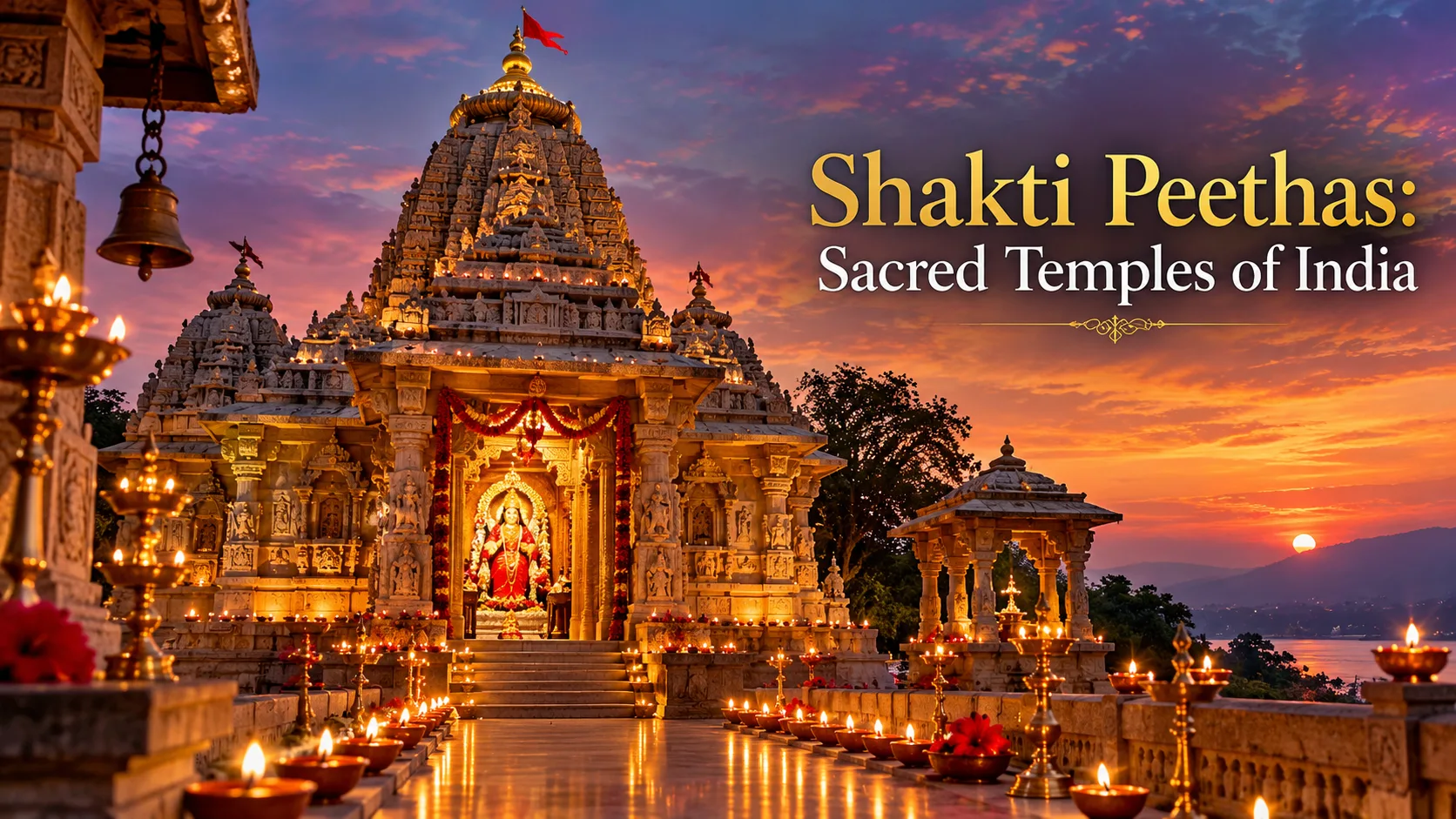
Shakti Peethas in 2026: Latest News and Sacred Sites

Explore the latest Shakti Peethas news in 2026, sacred temples, Hindu mythology, Navratri rituals, pilgrimage updates and travel tips for devotees. West Indies vs India: Gill Powers Historic ODI Chase Shakti Peethas in 2026: Latest News, Rituals and Sacred Sites The latest developments surrounding Shakti Peethas highlight the continuing importance of India’s sacred goddess temples,…
West Indies vs India: Gill Powers Historic ODI Chase
West Indies vs India saw Shubman Gill smash 223 as India chased 406 to win the second ODI by eight wickets and seal the series 2-0 in Guwahati. Caribbean Premier League 2026: Falcons Make History West Indies vs India: Gill Leads Historic Run Chase The West Indies vs India ODI series took another dramatic turn…
Caribbean Premier League 2026: Falcons Make History
Caribbean Premier League 2026 ends with Antigua & Barbuda Falcons winning their maiden title after beating Jamaica Kingsmen by eight wickets in Barbados. Japan vs India T20I: Historic Clash Set for Sano Caribbean Premier League 2026: A Historic Finish The Caribbean Premier League has wrapped up another memorable season, and the 2026 edition has produced…









Join Us on Social Media!
Stay updated with the latest from EasyBuzz. Connect with us: