
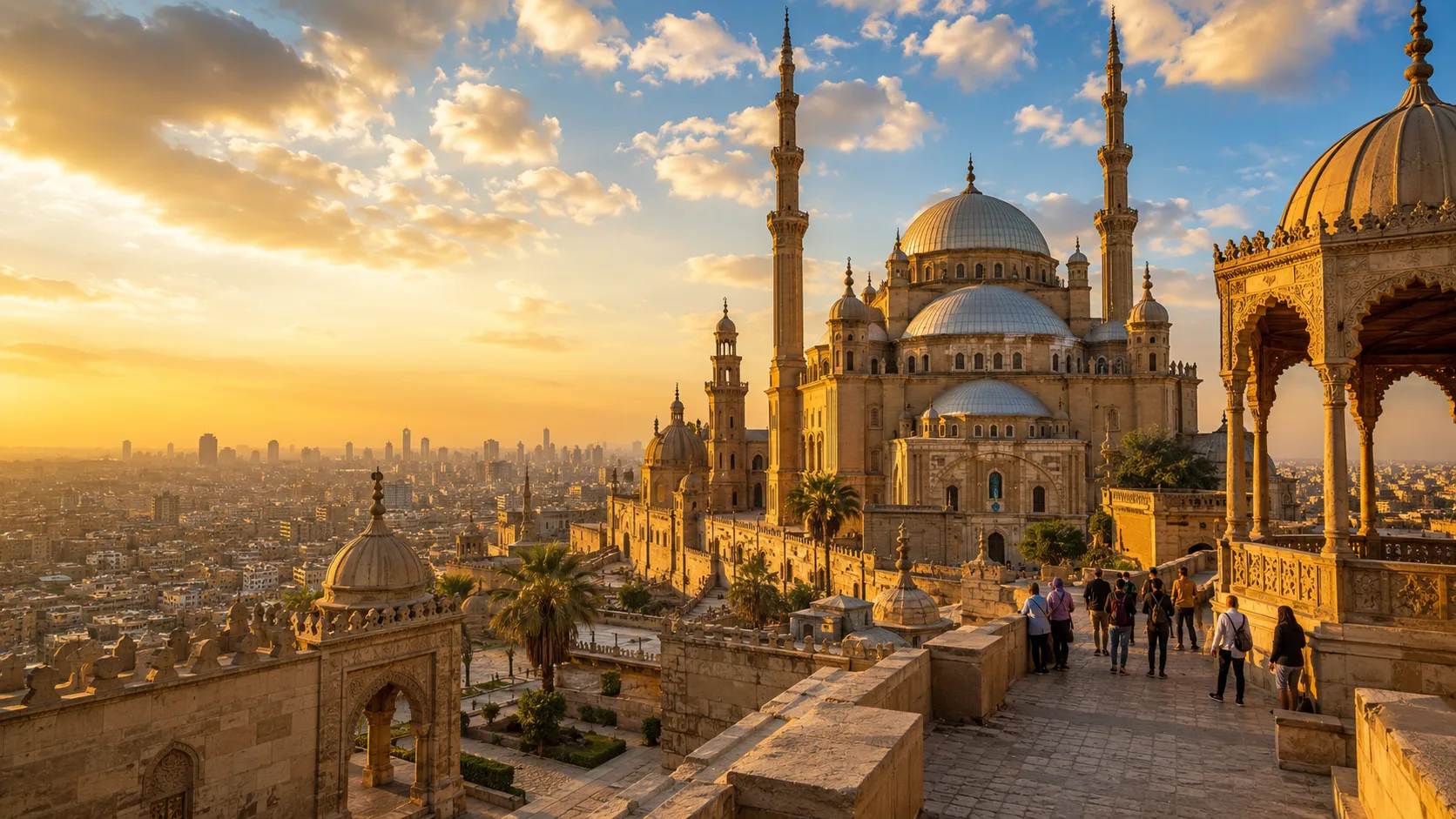
Explore the Mosque of Muhammad Ali in Kairo, Egypt, its history, architecture, restoration efforts, visitor experience, and growing tourism appeal.
Formula 1’s 2026 Chaos Is Rewriting Motorsport Power
Mosque of Muhammad Ali in Kairo, Egypt: A Historic Landmark Driving Cairo Tourism
Perched atop the ancient Citadel of Saladin, the Mosque of Muhammad Ali in Kairo, Egypt remains one of the most recognizable landmarks in the Egyptian capital. With its towering minarets, magnificent domes, and commanding views over Cairo, the mosque continues to attract historians, architects, pilgrims, and international travelers seeking to experience one of Egypt’s most iconic monuments.
Recent tourism and heritage preservation initiatives across Cairo’s historic districts have renewed global attention on the mosque and its surrounding cultural attractions. As Egypt continues investing in the restoration and promotion of its historic treasures, the Mosque of Muhammad Ali stands at the center of the country’s cultural tourism strategy.
A Symbol of Modern Egypt
The Mosque of Muhammad Ali was commissioned by Muhammad Ali Pasha, widely regarded as the founder of modern Egypt. Construction began in 1830 within the historic Cairo Citadel and continued for several decades before its completion in 1857.
Unlike many traditional Mamluk-era mosques found throughout Cairo, the structure embraces Ottoman architectural influences. Its design was inspired by Istanbul’s grand imperial mosques, creating a distinctive silhouette that continues to dominate Cairo’s skyline.
The mosque was intended to serve not only as a place of worship but also as a powerful symbol of Egypt’s transformation during the nineteenth century. Today, it remains one of the country’s most visited religious and historical landmarks.
Architectural Beauty That Defines Cairo’s Skyline
Visitors approaching the Citadel are immediately drawn to the mosque’s impressive scale and elegance.
The structure features:
- A massive central dome surrounded by semi-domes.
- Two slender Ottoman-style minarets rising high above the city.
- Extensive alabaster cladding that earned the building the nickname “The Alabaster Mosque.”
- Ornate chandeliers, intricate calligraphy, and richly decorated interiors.
- A spacious courtyard offering panoramic views of Cairo.
The combination of Ottoman grandeur and Egyptian craftsmanship makes the mosque one of the finest examples of nineteenth-century Islamic architecture in the Middle East.
Preservation and Restoration Efforts
The Mosque of Muhammad Ali has undergone several significant restoration projects throughout its history.
Major structural repairs were conducted during the reign of King Fuad I after engineers identified deterioration in the mosque’s domes and supporting structures. Extensive reconstruction and conservation work restored the building’s architectural integrity and decorative elements.
In more recent decades, Egyptian authorities have continued preservation efforts that include:
- Restoration of historic carpets.
- Rehabilitation of the Citadel clock tower.
- Cleaning and conservation of alabaster surfaces.
- Repair of decorative features and architectural details.
- Modern preservation techniques designed to protect the monument for future generations.
These ongoing efforts reflect Egypt’s broader commitment to safeguarding its cultural heritage while enhancing the visitor experience.
Why Tourists Continue to Visit
The Mosque of Muhammad Ali offers more than architectural beauty. It provides visitors with a unique opportunity to understand Egypt’s political, religious, and cultural evolution.
Travelers are drawn to:
- Stunning panoramic views across Cairo.
- The historical significance of Muhammad Ali Pasha.
- Exceptional Ottoman-inspired architecture.
- The surrounding attractions within the Cairo Citadel.
- Opportunities for photography and cultural exploration.
The mosque remains a central stop on most Cairo heritage tours and continues to play a significant role in Egypt’s tourism industry.
Cultural Importance Beyond Tourism
For many Egyptians, the mosque represents a defining chapter in the nation’s history. It symbolizes modernization, national identity, and the ambitions of Muhammad Ali’s reforms that transformed Egypt during the nineteenth century.
Its presence within the Citadel also connects visitors to centuries of Egyptian history, spanning the Ayyubid, Mamluk, Ottoman, and modern eras.
As restoration projects and urban heritage initiatives continue throughout Cairo, the mosque remains a powerful reminder of Egypt’s enduring architectural and cultural legacy.
Looking Ahead
The future of the Mosque of Muhammad Ali in Kairo, Egypt appears promising. Government-backed preservation programs, expanding tourism infrastructure, and increased global interest in cultural heritage tourism are helping ensure that this remarkable monument remains accessible to future generations.
As Cairo strengthens its position as one of the world’s great historic cities, the mosque will continue serving as both a spiritual landmark and a symbol of Egypt’s rich historical narrative.
Mosque of Muhammad Ali in Kairo, Egypt
The Mosque of Muhammad Ali in Kairo, Egypt is far more than a religious monument. It is an architectural masterpiece, a symbol of modern Egyptian history, and one of Cairo’s most treasured landmarks.
Whether viewed from the bustling streets below or explored from within the Citadel’s walls, the mosque offers a captivating journey through Egypt’s past while showcasing the country’s ongoing commitment to preserving its cultural heritage.
Disclaimer: This article is intended for informational, educational, and travel reference purposes only. Historical details, architectural descriptions, tourism information, and preservation updates regarding the Mosque of Muhammad Ali in Kairo, Egypt are based on publicly available sources and historical records available at the time of writing. Readers are encouraged to verify current visitor information, entry requirements, opening hours, restoration updates, and travel advisories through official tourism and government sources before planning a visit. The article does not represent any official organization, religious institution, or government authority. Images used for illustrative purposes may be digitally created, enhanced, or represent artistic interpretations of the monument and surrounding landscape.
Caribbean Premier League 2026: Falcons Make History

Caribbean Premier League 2026 ends with Antigua & Barbuda Falcons winning their maiden title after beating Jamaica Kingsmen by eight wickets in Barbados. Japan vs India T20I: Historic Clash Set for Sano Caribbean Premier League 2026: A Historic Finish The Caribbean Premier League has wrapped up another memorable season, and the 2026 edition has produced…
Japan vs India T20I: Historic Clash Set for Sano
Japan vs India T20I on September 22, 2026, marks their first men’s international meeting as Shreyas Iyer leads India in a historic Sano clash. 2026 Formula One World Championship: Title Race Heats Up Now The cricket world is set for a meeting that would have sounded unusual a few years ago. Japan vs India T20I…
2026 Formula One World Championship: Title Race Heats Up Now
The 2026 Formula One World Championship enters a crucial phase after Madrid, with Kimi Antonelli leading. See standings, latest news, next race and key battles. Bikkavolu Subrahmanya Temple: Why It Still Draws Devotees The 2026 Formula One World Championship has entered one of its most important phases, with the season moving beyond the halfway mark…










Join Us on Social Media!
Stay updated with the latest from EasyBuzz. Connect with us: